
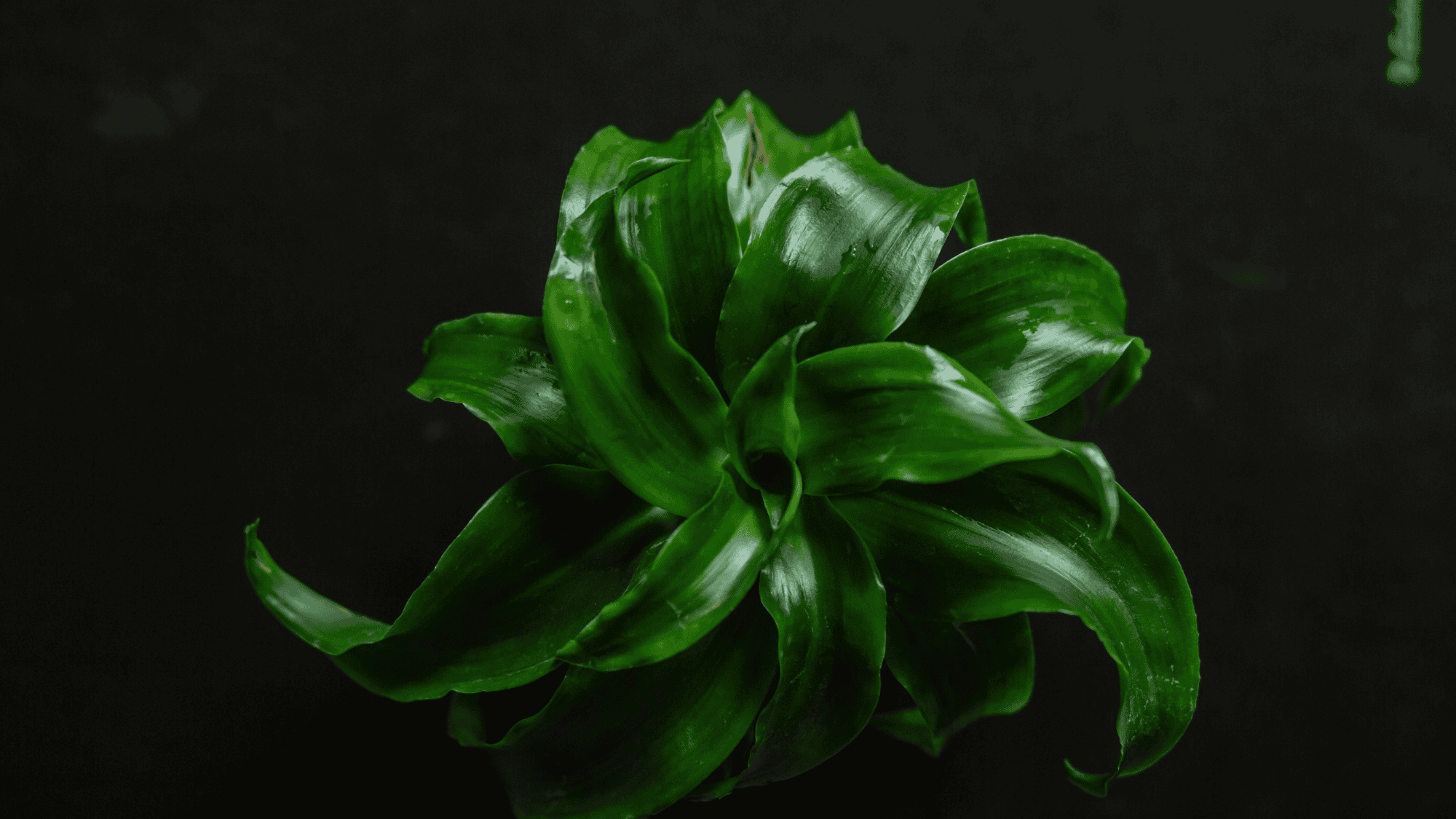
Dark corners, windowless hallways, and north-facing bedrooms need not feel lifeless. Artificial plants offer a practical, elegant solution for spaces where real plants simply cannot survive, bringing greenery and warmth without any of the usual care requirements.
Key Takeaways
- Artificial plants are the simplest way to bring greenery into genuinely dark spaces, windowless halls, basement flats, and north-facing rooms, where real plants fail due to insufficient light for photosynthesis.
- Moreau Home is your resource for learning how to style faux plants beautifully, and our premium brand Moreau Botanicals launches in summer 2026 with curated, lifelike stems designed for real British homes.
- The most convincing faux plants for dark rooms mimic naturally shade-tolerant species (ferns, pothos, ZZ plant, snake plant, peace lily), because our eyes recognise what belongs in dim spaces.
- High-quality artificial plants can last 5–10 years or more with minimal upkeep, just occasional dusting every 4–6 weeks.
- This guide covers specific plant suggestions, room-by-room styling ideas, and care tips tailored to UK homes and rentals.
Why Artificial Plants Are Perfect for Dark Rooms
British homes are full of challenging spaces: narrow Victorian hallways with a single skylight, basement flats below street level, internal bathrooms without external walls, north-facing living rooms, and rental bedrooms where neighbouring buildings block most natural light. These are spaces where greenery would make the biggest difference, yet where real plants struggle most.
Real plants need light for photosynthesis. Without sufficient intensity, they cannot produce energy, and even hardy species like peace lilies gradually fade, drop leaves, and die. Anyone who has watched a houseplant slowly decline in a dim corridor knows the disappointment.
Artificial plants require no sunlight or water, making them ideal for spaces where real plants would struggle to survive. They have no temperature requirements, attract no pests, and maintain their appearance without any natural light. This makes them perfect for shift workers, frequent travellers, and busy families. For the most convincing result, choose faux versions of plants that naturally tolerate shade, ferns, pothos, ZZ plants, because our brains instinctively recognise what belongs in a dim corner. At Moreau Home, we focus on this intersection of botanical authenticity and material realism, and Moreau Botanicals (launching summer 2026) will curate a collection specifically chosen to look believable in dim British interiors.

Best Artificial Plants for Dark Rooms (Quick List)
Here is a quick-reference guide to the plants that work best in low-light spaces:
| Plant | Why It Suits Dark Rooms |
|---|---|
| Faux Boston fern | Naturally grows on forest floors; soft, feathery fronds |
| Faux maidenhair fern | Thrives in shaded environments; delicate, romantic texture |
| Faux pothos (golden or satin) | Known for reaching towards light; trailing habit looks natural |
| Faux heartleaf philodendron | Classic shade-lover with heart-shaped leaves |
| Faux ZZ plant | The ZZ plant is known for its glossy, waxy leaves and thrives in low-light conditions, making it a popular choice for dark corners |
| Faux snake plant | Artificial snake plants are known for their architectural form and tolerance to low light |
| Faux peace lily | Classic low-light houseplant; white bracts catch available light |
| Faux cast iron plant | Victorian favourite; tolerates near-darkness |
| Faux Chinese evergreen | Variegated patterns read well even in dim rooms |
| Faux dracaena | Elegant upright form with variegated foliage |
| Small faux olive or ficus tree | Statement pieces for very dark corners; 120–180 cm heights |
Faux ferns, such as the Boston fern and Maidenhair fern, are ideal for low-light spaces due to their natural growth in shaded environments, making them a believable choice for artificial plants in dark areas. Popular artificial plant choices for dark rooms include snake plants, cast iron plants, and ferns due to their deep green and matte foliage.
Shade-Loving Faux Plants That Look Natural in Dark Rooms
The most convincing dark-room greenery mimics woodland and understory plants, species that genuinely grow in shade outdoors. Artificial plants can effectively enhance low-light spaces by mimicking the appearance of real plants that naturally thrive in such conditions, like ferns and pothos.
Ferns come first for a reason. Faux Boston ferns and maidenhair ferns with soft, feathery fronds suit internal bathrooms, shelves in windowless cloakrooms, and shadowy corners by fireplaces. Plants like ferns thrive in damp, shadowy areas, making large, bushy or trailing artificial ferns perfect for bathrooms. Place them in shallow bowls or woven baskets in light tones for a soft, romantic feel.
Trailing plants work beautifully in dark spaces. Faux pothos (golden and satin varieties) and faux heartleaf philodendron drape naturally from high shelves, picture rails, the tops of wardrobes, or above a bed in a dark bedroom. Their natural reaching-for-light habit makes them feel believable even far from a window. Trailing plants can add height and softness to bookshelves or cabinets, making them suitable for dimly lit spaces. Shade-tolerant species of artificial plants often have deeper greens, structured leaves, or trailing habits, making them suitable for low-light conditions.
Faux peace lilies make excellent choices for dim home offices and bedrooms. Real peace lilies are classic low-light houseplants, so artificial versions with glossy deep-green leaves and white bracts feel right in these spaces. Pair them with simple ceramic planters for a calm, spa-like atmosphere.
For period properties, consider faux cast iron plants and Chinese evergreens, their long, arching leaves and variegated patterns read well even in low light, complementing traditional interiors beautifully. Picture a faux maidenhair fern and trailing pothos together on a high shelf in a windowless guest loo in a 1930s semi-detached home, the combination feels both natural and intentional.

Architectural Faux Plants for Dark Corners
Upright, sculptural plants are invaluable for dark corners, narrow landings, and awkward alcoves. Their strong silhouettes remain visible even without bright sunlight, and larger artificial plants can create a dramatic focal point in empty, dark corners without the need for natural light.
Faux ZZ plants feature sleek, glossy leaflets on arched stems. The ZZ plant is known for its ability to thrive in low-light conditions, making it a popular choice for artificial plant displays in dark corners or offices. Position one next to a console table in a hallway or beside a media unit in a north-facing living room, using a contemporary stone or matt black planter for a modern, minimal look. The structure of certain artificial plants like the ZZ can be easily replicated using high-quality plastic or faux silk, making them ideal for dim corners.
Faux snake plants (Sansevieria) with their slim, vertical, spiky leaves work beautifully in narrow floor spaces beside wardrobes, in small home offices, or in tight rental corridors. Use both tall varieties (around 1 m) and compact “bird’s nest” forms on bedside tables for versatility.
For height in dark spots, the corner behind a sofa or next to French doors shaded by other buildings, consider faux dracaena marginata or small artificial trees like olive, ficus, or rubber plants. Pair with tall planters to emphasise height, position near a floor lamp to create a vignette, and keep surrounding décor simple so the architectural lines can stand out.
Best Faux Plants for Specific Dark Rooms in Your Home
Windowless or Low-Light Bathrooms: Faux Boston ferns, maidenhair ferns, trailing ivy, and small faux eucalyptus work wonderfully here. Place them on bath caddies, high shelves, or frosted-glass window ledges. Artificial greenery won’t suffer from steam or temperature shifts.
Dark Bedrooms: Artificial plants are perfect for dark bedrooms, providing a vibrant touch of greenery without the need for sunlight or extensive care, making them ideal for individuals with busy lifestyles or allergies. Using artificial plants in bedrooms can enhance the aesthetic appeal by creating a relaxing atmosphere, with options ranging from small accents to larger statement pieces like artificial trees. Try trailing pothos above the headboard, a faux snake plant in a corner near a floor lamp, or small faux peace lilies on bedside tables in slim vases. Artificial plants can be used creatively in bedrooms, such as hanging them from shelves or using them in wall panels, to maximise space and add greenery without cluttering surfaces.
Hallways and Stairs: Tall faux snake plants or dracaena suit the narrowest spots. Trailing ivy or pothos cascading from high shelves softens hard lines. Consider a statement artificial tree (olive, ficus, or rubber) by the front door if you have floor space.
Low-Light Living Rooms: Combine a large faux tree in the gloomiest corner with a cluster of smaller plants on a sideboard, a fern, Chinese evergreen, and trailing plant together. Add a table lamp to highlight the arrangement and make your space feel alive year round.
Home Offices: For box rooms or darker corners, a single clean faux plant (ZZ, snake plant, or peace lily) near the desk adds life without distraction. Place a trailing plant on a high shelf to appear naturally in video call backgrounds.
A Note for Renters: Faux plants don’t mark walls or floors, create no water damage, and move easily when you change flat. They are a renter-friendly investment that travels with you.

Styling Tips: Making Artificial Plants Look Real in Low Light
In dim rooms, details matter more. The wrong pot, scale, or leaf colour can make even an expensive faux plant look obviously fake.
Planters: Decorative pots such as ceramic, woven baskets, or concrete planters can improve the authenticity of artificial plants. Use light-coloured or textured options (white, cream, pale stone) to reflect available light. Using light-coloured pots in dark spaces helps prevent the arrangement from disappearing into shadow. Match planters across a room for cohesion.
Scale: Go slightly smaller rather than dramatically oversized in compact British flats. A 90 cm faux tree suits a small flat; 180 cm works for open-plan spaces. Leave 30–40 cm of visual breathing room around larger plants.
Colour and Contrast: To enhance realism, choose artificial plants with a matte finish and subtle colour variations instead of a uniform, shiny appearance. Plants with lighter or variegated foliage (satin pothos, Chinese evergreen, eucalyptus) catch and reflect minimal light effectively.
Layering: When styling artificial plants, consider varying the heights and types to create a more organic and interesting look. Layering trailing and upright artificial plants can create a lush, dimensional look, a snake plant on the floor, a fern on a side table, and ivy trailing from a high shelf in the same corner.
Textures: Higher-quality artificial plants use natural materials like silk, latex, or ‘real-touch’ plastic for a convincing feel. Artificial plants can look more authentic when paired with realistic textured soil or moss at their base.
Lighting: Accent lighting, like warm LED strips, can highlight the foliage of artificial plants, enhancing décor in dark spaces. Position faux plants within the glow of table lamps or wall sconces to transform a gloomy empty corner into a focal point.
Find more styling ideas and seasonal inspiration on Moreau Home. Moreau Botanicals will be photographed in real, often low-light UK homes to show realistic artificial styling possibilities.
Caring for Artificial Plants in Dark Rooms
Faux plants are low-maintenance, but some light care keeps them looking freshly alive. Dust shows more on dark green leaves in low light, dust every 4–6 weeks with a soft microfibre cloth or clean, dry paintbrush. Use a slightly damp cloth for sturdier leaves.
In internal bathrooms, choose faux plants made from UV- and moisture-resistant materials; premium options cope better with steam than cheap, stiff plastics. Rotate plants a few times yearly if near any light source to avoid uneven fading.
Occasional restyling, moving a plant between rooms or changing its container, refreshes the whole space without new purchases. Artificial plants can last for many years without the need for maintenance, while natural plants often require regular care, including watering, pruning, and repotting to thrive. Investing in higher-quality realistic artificial plants pays off over several years.
Are Artificial Plants a Good Investment for Low Light Rooms?
Consider the maths: replacing a £10–£15 real plant three or four times yearly over three years costs £90–£180 in failed greenery alone. One £60–£80 premium faux plant that still looks good after five years represents better value and far less frustration.
Beyond cost, there are practical benefits: no soil spills, no leaks on rented hardwood floors, no pests, and no risk to pets or children from toxic real plant species. Unlike real plants, artificial plants do not produce pollen or allergens, making them a suitable choice for individuals with allergies.
From a sustainability perspective, while faux plants use manufactured materials, they reduce waste compared with constantly discarding dead flowering plants and plastic nursery pots. Choose timeless shapes over trend-led pieces, and each becomes a long-term part of your home.
Moreau Botanicals (launching summer 2026) focuses on long-lasting, classic foliage and stems designed to work across seasons and décor changes, pieces you will want to keep for years, not months.
Conclusion
Dark rooms do not have to feel flat or lifeless. With a thoughtful selection of artificial plants, they can become some of the cosiest, most characterful spaces in your home. The key is choosing faux versions of genuine shade-tolerant plants, ferns, pothos, ZZ plants, snake plants, peace lilies, and styling them with the right pots, scale, and lighting.
Explore more guides on Moreau Home about floral styling, mixing faux flowers and silk flowers with fresh blooms, and seasonal decorating with greenery. The Moreau Botanicals collection launches summer 2026, join our newsletter for early access, styling tips, and first looks at designs created specifically for real UK homes where you can shop online for pieces that will brighten any space and transform your indoor environment.

FAQ
Can I mix artificial plants with real plants in the same dark room?
Mixing faux and real plants can look very effective. Position one or two hardy real shade-lovers (peace lily, pothos) near the best available light, and layer realistic artificial plants deeper into darker corners. Keep planters and accessories consistent across both real and faux plants to unify the look and create natural beauty throughout your garden-inspired indoor range.
How do I choose the right size artificial plant for a small UK flat?
Measure your intended spot first, including ceiling height. Most UK flats have ceilings around 2.3–2.4 m, so keep large trees under 1.8 m. Choose one statement plant per small room (120–150 cm) supported by smaller plants (20–60 cm) on shelves or tables. Leave 30–40 cm of breathing space around larger pieces so they don’t make the room feel cramped, this approach suits any decor collection.
Do artificial plants fade faster in dark rooms?
Actually, the opposite. Fading is mainly caused by UV light, so dark rooms often preserve faux plants longer than bright, sunny outdoor-facing spaces. Strong artificial lighting can cause some fading over many years. Rotating plants every few months keeps colour even if one side faces a window or strong lamp.
What should I look for when buying realistic artificial plants online?
Zoom in on product photography: look for natural leaf veining, variation in green tones, matte or satin finishes (not high-gloss), and realistic soil or moss at the base. Check height measurements carefully and compare to items at home. Choose retailers showing faux plants styled in real rooms rather than white backgrounds, the perfect addition to help you visualise how stems and shapes will affect your space. Moreau Botanicals will photograph its collection in authentic British homes for this reason.
Are artificial plants safe for homes with pets and allergies?
High-quality artificial plants are typically non-toxic and produce no pollen, making them an excellent choice for hay fever sufferers and households with curious cats or dogs. They also avoid soil mould and fungus gnats common with overwatered real plants. Check product descriptions for materials if household members have specific sensitivities, and opt for low-odour plastics and fabrics. Close dialog with retailers if you have any worry about specific materials, they should suit homes with pets and create a safe environment.
