
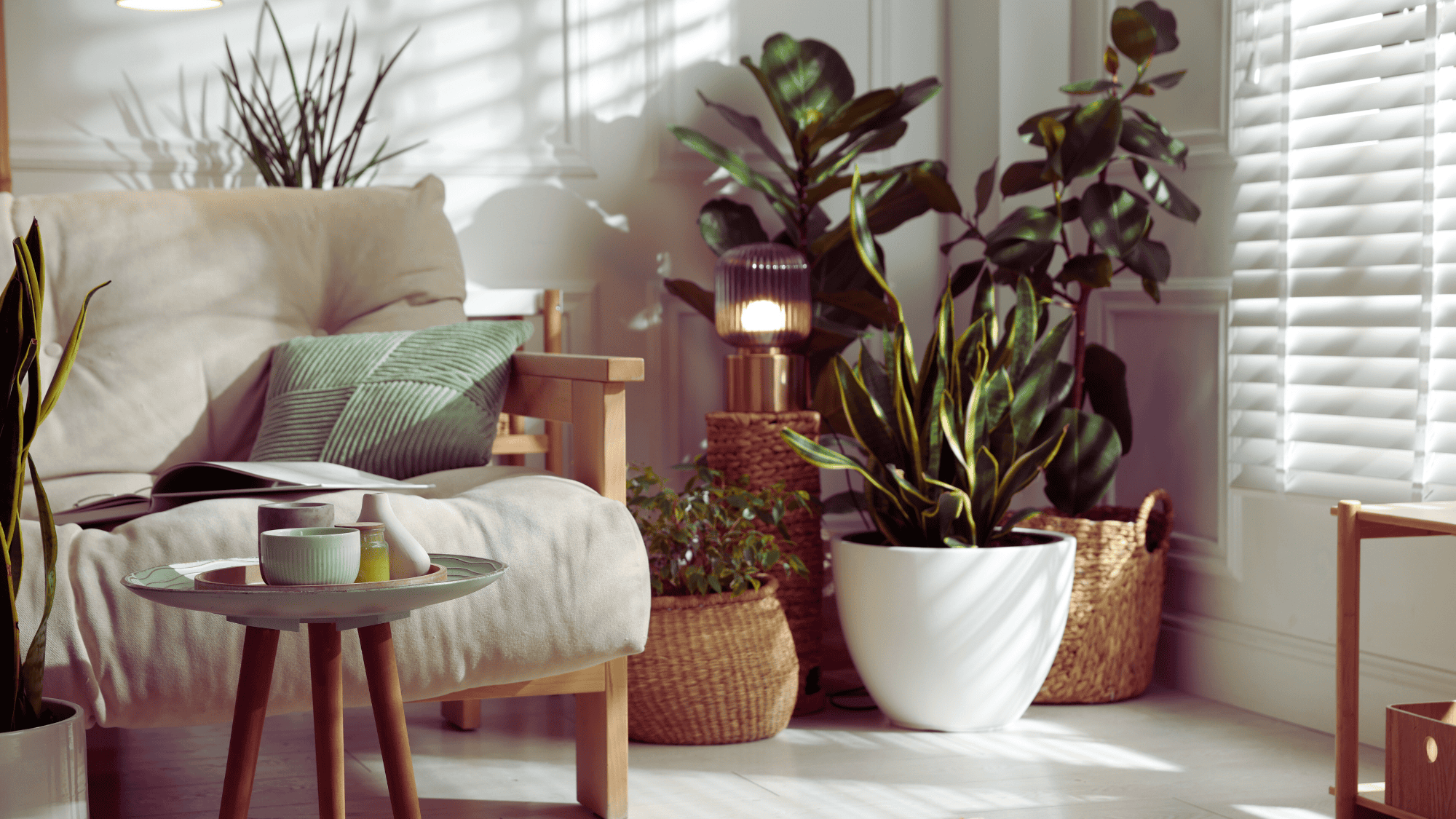
There was a time when artificial plants meant dusty silk flowers on a restaurant windowsill. That time has passed. Today’s premium faux botanicals are convincingly realistic, beautifully crafted, and designed to bring the warmth of nature into homes where real plants simply cannot thrive.
This guide covers everything you need to know about choosing, styling, and caring for artificial plants in a UK home. Whether you live in a north-facing flat, travel frequently, or simply want greenery without the hassle, you will discover how faux plants can transform your space year round.
Key Takeaways
- Artificial plants are ideal for busy lifestyles, renters, pet owners, and low-light spaces where real plants struggle to survive.
- Premium faux botanicals now feature lifelike textures, wired stems for natural shaping, and botanically accurate colouring that is difficult to distinguish from the real thing.
- Styling potential spans from compact faux herbs on a kitchen shelf to 2m statement trees that anchor living rooms and hallways.
- Light care is still required: regular dusting, occasional reshaping, and placement away from intense sun or heat sources.
- Subscribe to the Moreau Home newsletter for early access and exclusive discounts when Moreau Botanicals launches this summer.
What Are Artificial Plants?
Artificial plants are man-made replicas of living vegetation, crafted for decorative permanence. Their history stretches back to Victorian England, when wax-dipped fabric flowers emerged as parlour accents amid coal-smoke conditions that choked real plants. Today, faux plants have evolved into remarkably realistic pieces thanks to advances in materials and construction.
Modern artificial plants are made from:
- High-quality polyester or silk fabrics for supple leaves, often with real-touch coatings that replicate the waxy feel of natural foliage
- Polyethylene (PE) or polyvinyl chloride (PVC) for resilient, bendable stems with internal wire armatures
- Latex or vinyl for detailed petal veining and texture
- Natural wood or fibreglass trunks that mimic bark fissures
- Weighted bases in resin, ceramic, or stone effects, often topped with faux moss or gravel for stability
The main categories of artificial plants include faux houseplants such as the popular Monstera deliciosa or Fiddle Leaf Fig, artificial trees like olive and eucalyptus, faux flowers and single stems, trailing varieties for shelves and hanging displays, and outdoor-rated options with UV protection.
What sets quality pieces apart is their construction: wired stems allow you to shape branches naturally, multi-layer dyeing creates depth and colour variation, matte finishes avoid plastic shine, and weighted pots ensure stability in high-traffic areas.
Artificial Plants vs Real Plants
Both artificial and real plants have their place in a modern home. The choice often comes down to lifestyle, light conditions, and what you want from your indoor greenery.
Here is how they compare across key factors:
| Factor | Artificial Plants | Real Plants |
|---|---|---|
| Maintenance | Occasional dusting | Weekly watering, pruning, repotting |
| Cost over 12-24 months | One-time investment | Ongoing (soil, fertiliser, replacements) |
| Light requirements | None | 200-1000 lux depending on species |
| Allergy considerations | Pollen-free, no mould | Can trigger allergies in 20% of UK adults |
| Longevity | 5-15 years indoors | 1-5 years without expertise |
Artificial greenery excels in specific situations. If you rent a flat with lease restrictions against soil, travel frequently, have pets who might chew toxic species, or live in a north-facing room with limited natural light, faux plants offer a practical solution. They bring life to spaces where real plants would simply perish.
Real plants retain certain benefits. Air-purifying species like peace lilies and snake plants actively improve indoor air quality. There is also genuine joy in nurturing living things and watching them grow through the seasons.
Consider a typical scenario: a compact London flat with a dim hallway receiving perhaps 50 lux of light. A real ZZ plant would likely struggle and eventually rot. A high-quality faux version would thrive eternally, adding green to that otherwise bare space. Meanwhile, a sunny bay window in the kitchen would be perfect for real basil, offering fresh harvests alongside its decorative appeal.
The most practical approach for many homes is a thoughtful combination of both.

Why Artificial Plants Are Trending in Interior Design
The rise of faux greenery in UK homes has been remarkable. Since around 2015, platforms like Instagram and Pinterest have amplified plant-filled interiors, and UK homeware brands have responded. Industry figures suggest faux plant sales climbed approximately 25% yearly between 2018 and 2024.
Several factors drive this trend:
Interior design movements have embraced artificial greenery. Biophilic design principles, which use natural elements to boost wellbeing, work beautifully with convincing faux plants. Japandi styling suits slim eucalyptus stems, modern rustic schemes welcome textured olive trees, and minimalist new-builds benefit from organic warmth without visual clutter.
Lifestyle changes make low-maintenance decor more appealing. With 40% of UK adults working hybrid patterns by 2024, home offices and Zoom-ready backdrops matter. Busy households with children and pets need durable greenery that survives daily life.
Conscious consumption is shifting how people buy. Rather than constantly replacing wilted houseplants or short-lived cut flowers, many homeowners now invest in fewer, higher-quality faux pieces that last for years.
Specific styling trends have emerged: oversized 2m faux olive trees anchoring living rooms, trailing faux ivy spilling from picture ledges, and faux pampas grass arrangements adding prairie calm to sideboards. These choices offer permanent beauty that real plants in challenging conditions simply cannot match.
Best Artificial Plants for Different Rooms
Choosing the right artificial plants means matching scale, style, and the specific conditions of each room in your home.
Living room: This is where statement pieces shine. A 1.8-2m faux fiddle leaf fig with broad leaves creates corner drama, while a 2m faux olive tree evokes Mediterranean warmth. For coffee tables and consoles, consider faux eucalyptus bunches in ceramic vases. Neutral planters in warm greige or off-white suit most modern schemes.
Kitchen: Faux herbs in terracotta pots bring a Provençal feel without the risk of rot. Basil, rosemary, and thyme replicas look convincing on windowsills or open shelving. Trailing faux pothos works beautifully above cabinets, while small succulents add colour to any surface that receives varying light.
Bedroom: The mood here should be restful. Faux ferns, eucalyptus sprays, and peace lily lookalikes in soft, muted greens work well. Choose natural textures for planters, rattan, linen-wrapped pots, or woven baskets, to enhance the calming atmosphere.
Bathroom: This environment challenges real plants with humidity and limited light. Faux maidenhair ferns, trailing string of pearls, and snake plant replicas are ideal. They bring green to windowless bathrooms where living plants would quickly fail.
Hallway and landing: Tall, slim profiles work best in these transitional spaces. A faux bamboo or narrow olive tree in a basket suits console tables, while small arrangements can mirror architectural features.
Home office: Structured greenery supports focus. A faux rubber plant or mini fig tree adds life without distraction. Sculptural stems like faux magnolia or eucalyptus in a simple glass vase work well on desks and bookshelves.

How to Choose Realistic Artificial Plants
Not all artificial plants are equal. Premium pieces are an investment, and knowing what to look for helps you choose wisely.
Inspect the leaves: Realistic faux plants feature natural variation in colour, gradient greens from lime tips to olive bases, subtle veining, and matte or satin finishes rather than plastic shine. Check the back of leaves too; cheap versions often have stark white undersides that give the game away.
Check the stems: Quality artificial plants have wired internal stems (typically 18-22 gauge aluminium) that allow you to bend and shape foliage. You should be able to fan out branches at natural angles without creasing. This flexibility is crucial for creating convincing arrangements.
Examine the base: A weighted pot with realistic faux soil, moss, or gravel toppers makes a significant difference. Ceramic, stone-effect, or quality composite planters feel substantial. Avoid lightweight, glossy plastic that looks cheap and tips easily.
Consider scale: A 2.1m tree works in a room with 2.4m ceilings, leaving appropriate headroom. Match plant sizes to furniture proportions, a 50-70cm arrangement suits a 40cm diameter side table.
Think about longevity: Classic species like olive, ficus, and eucalyptus transcend trends. High quality materials last 10+ years, while cheap alternatives may fade within 1-2 years. Investing in timeless pieces makes environmental and financial sense.
When shopping, look for multiple close-up photographs showing detail, accurate measurements, clear material specifications, and styling images in real home settings rather than plain product cut-outs alone.
Styling Artificial Plants Like an Interior Designer
Creating magazine-worthy arrangements with faux greenery follows principles that professional stylists use daily.
Group in odd numbers: Arrangements of three or five items create more visual interest than pairs. On a console, try one plant, one candle, and one sculptural object at varying heights.
Layer textures: Faux plants look most convincing when surrounded by natural materials. Combine them with linen throws, wool cushions, jute rugs, and oak furniture. This prevents greenery from appearing too pristine or isolated.
Use planters as design elements: The vessel matters as much as the plant. Ceramic suits contemporary spaces, seagrass baskets create a relaxed boho feel, and black metal planters work for industrial schemes. Colours like warm greige, charcoal, and off-white complement most interiors.
Mix real and faux: This approach often looks most natural. Place real plants where conditions suit them, sunny windowsills with easy access for watering, and use faux in challenging spots like high shelves, dark corners, or above kitchen cabinets.
Think about placement: Tall plants fill empty corners behind sofas beautifully. Trailing varieties work on high shelves. Slim stems suit narrow spaces beside media units. Small arrangements brighten bedside tables.
Restyle seasonally: Instead of buying new plants, refresh your rooms by moving pieces between spaces or changing planters. A faux olive tree might sit in the living room during summer and move to the hallway for winter, perhaps swapping from a wicker basket to a stone planter.

Best Artificial Plants for Low Light Homes
Many UK homes present challenging light conditions. North-facing rooms, basement flats, windowless hallways, and under-stairs corners receive minimal natural light, sometimes as little as 50 lux. Real plants fail in these environments at rates approaching 80%.
Artificial plants solve this problem entirely.
The most convincing options for dim spaces are species that naturally tolerate low light when real. Faux snake plants, ZZ plants, rubber plants, philodendrons, and monstera replicas all look appropriate in shadowy corners because their living counterparts grow in similar conditions.
To avoid an obviously artificial appearance in low light:
- Choose plants with broader leaves rather than fine, delicate fronds
- Select matte finishes over glossy surfaces that catch light unnaturally
- Use warm-toned bulbs (2700-3000K) nearby to mimic natural daylight and enhance the green colour
- Position faux plants near floor lamps or table lamps so they receive some illumination rather than disappearing into shadow
- Place against lighter walls, which reflect more light back onto the foliage
A faux ZZ plant in a dim hallway, positioned near a warm-toned lamp and against a pale wall, can look entirely convincing while adding life to what might otherwise be a forgotten corner of your home.
Large Statement Artificial Plants
Oversized faux plants and trees transform rooms in ways smaller pieces cannot. They fill vertical space, soften hard architectural lines, and act as sculptural focal points that draw the eye.
The most popular statement options include:
- 1.8-2.1m faux fiddle leaf fig with its dramatic broad leaves
- 2m faux olive tree with silvery-green foliage and characterful trunk
- 1.9m faux bird of paradise with striking tropical fans
- Large faux banana plants for lush, jungle-inspired schemes
Placement matters considerably. Statement trees work in empty corners behind sofas, beside media units, next to French doors, or at the end of a hallway to create a focal sightline. Consider door swings and walkways, you need approximately 80cm clearance for comfortable movement.
For proportion and realism, use substantial planters of 30-40cm diameter. Weighted bases prevent tipping. Raising shorter trees on plant stands can help them read as taller. Decorative moss or stones at the base add authenticity.
Balance large plants with other elements in the room, artwork, mirrors, or floor lamps create visual harmony. Two matching trees can frame a fireplace or patio doors if symmetry suits your architecture.
High-ceilinged spaces like Victorian townhouses take taller, airier trees well. Lower new-build ceilings (around 2.4m) suit slimmer profiles like bamboo or narrower ficus varieties that do not overwhelm the space.

Care and Maintenance
While artificial plants demand far less attention than real ones, a little care keeps them looking beautiful for years.
Dusting: This is the main task. Dust weekly or fortnightly using a soft microfibre cloth or feather duster. For a deeper clean, wipe sturdy leaves monthly with a slightly damp cloth. Avoid saturating any materials.
Reshaping: Plants often arrive compressed from shipping. Gently bend wired stems and leaves to create natural asymmetry, no plant in nature is perfectly symmetrical. Revisit this reshaping every few months, especially if plants get bumped or moved.
Sunlight and heat: Avoid placing faux plants directly on south-facing windowsills or near radiators, wood-burners, or other heat sources. Prolonged UV exposure and high temperatures can cause fading and warping over time.
Outdoor use: Only use UV-treated artificial plants outside, and ideally under cover on porches or covered balconies. Bring pieces indoors during severe weather to extend their life.
Storage: If storing seasonal pieces, keep them upright if possible, loosely covered with breathable fabric or in tall boxes. Avoid damp spaces like lofts or basements, which may affect stems and adhesives.
With these simple steps, quality artificial indoor plants maintain their beauty for 10 years or more.
Where to Buy High-Quality Artificial Plants
When investing in lifelike artificial plants, prioritise specialist home decor and faux floral brands over very low-cost, mass-produced options. The difference in realism and longevity is substantial.
When browsing any retailer, look for:
- Clear close-up photography showing leaf detail and colour variation
- Accurate height and width measurements
- Information on materials and any UV protection
- Styling images in real home settings, not just plain product shots
Editorial resources can help you plan before purchasing. Explore styling guides, moodboards, and room inspiration to understand what will work in your specific spaces.
Moreau Botanicals is Moreau Home’s upcoming collection of premium faux botanicals, launching this summer. The range will focus on timeless, realistic stems and plants curated specifically for modern UK homes, the types of pieces that enhance your decor for years rather than following fleeting trends.
To receive home styling inspiration, early access to the Moreau Botanicals launch, and an exclusive subscriber discount when the collection goes live, subscribe to the Moreau Home newsletter. It is the simplest way to ensure you do not miss out on beautiful, high-quality pieces designed for real life.
FAQ
This section addresses additional questions about artificial plants that readers commonly ask.
Do artificial plants look realistic enough for a design-conscious home?
- High-quality faux plants now feature layered colouring with multiple tones per leaf, real-touch finishes that mimic natural texture, and realistic trunks with bark-like details.
- The vessel you choose matters significantly, ceramic, stone, or rattan planters elevate even excellent plants, while cheap plastic pots undermine them.
- Taking time to fluff and shape foliage on arrival adds noticeable volume and natural asymmetry.
- From normal viewing distances in styled spaces, well-chosen faux plants are very difficult to distinguish from real ones.
Are artificial plants safe for homes with pets and children?
- Premium artificial plants eliminate the toxicity risks of certain real species, lilies are lethal to cats, and monstera causes oral irritation if chewed.
- Materials are typically inert and non-toxic, though plants should still be kept away from persistent chewers.
- Choose stable, weighted bases and place tall plants in sturdy planters to prevent tipping in busy family spaces.
Can I mix artificial and real plants in the same room?
- Mixing faux and real plants is not only acceptable but often creates the most natural-looking result, adding movement and seasonal change.
- Place real plants where light and watering conditions are optimal (bright windowsills with easy access), and use faux in challenging spots (high shelves, dark corners, bathrooms).
- An example: real trailing ivy on a sunny shelf with a faux version positioned higher up where regular watering would be impractical.
How long do high-quality artificial plants usually last?
- Well-made indoor artificial plants can look beautiful for 5-10 years or longer with regular dusting and sensible placement away from harsh sun and heat.
- Outdoor lifespan is shorter, typically 2-5 years even for UV-treated plants, so under-cover or semi-sheltered use is recommended.
- If a plant fades or warps noticeably over time, consider moving it to a lower-visibility spot before replacing it entirely.
Can artificial plants help with sustainability in my home?
- While made from manufactured materials, long-lasting faux plants reduce water use, plant transport emissions, and the frequent replacement of short-lived decor.
- Buying fewer, higher-quality pieces you genuinely love, and will keep for many years, is more sustainable than purchasing lots of disposable, trend-driven items.
- Pairing your faux collection with a few real, easy-care plants and sustainable materials like linen, wool, and wood creates an overall more conscious home.
