
Key Takeaways
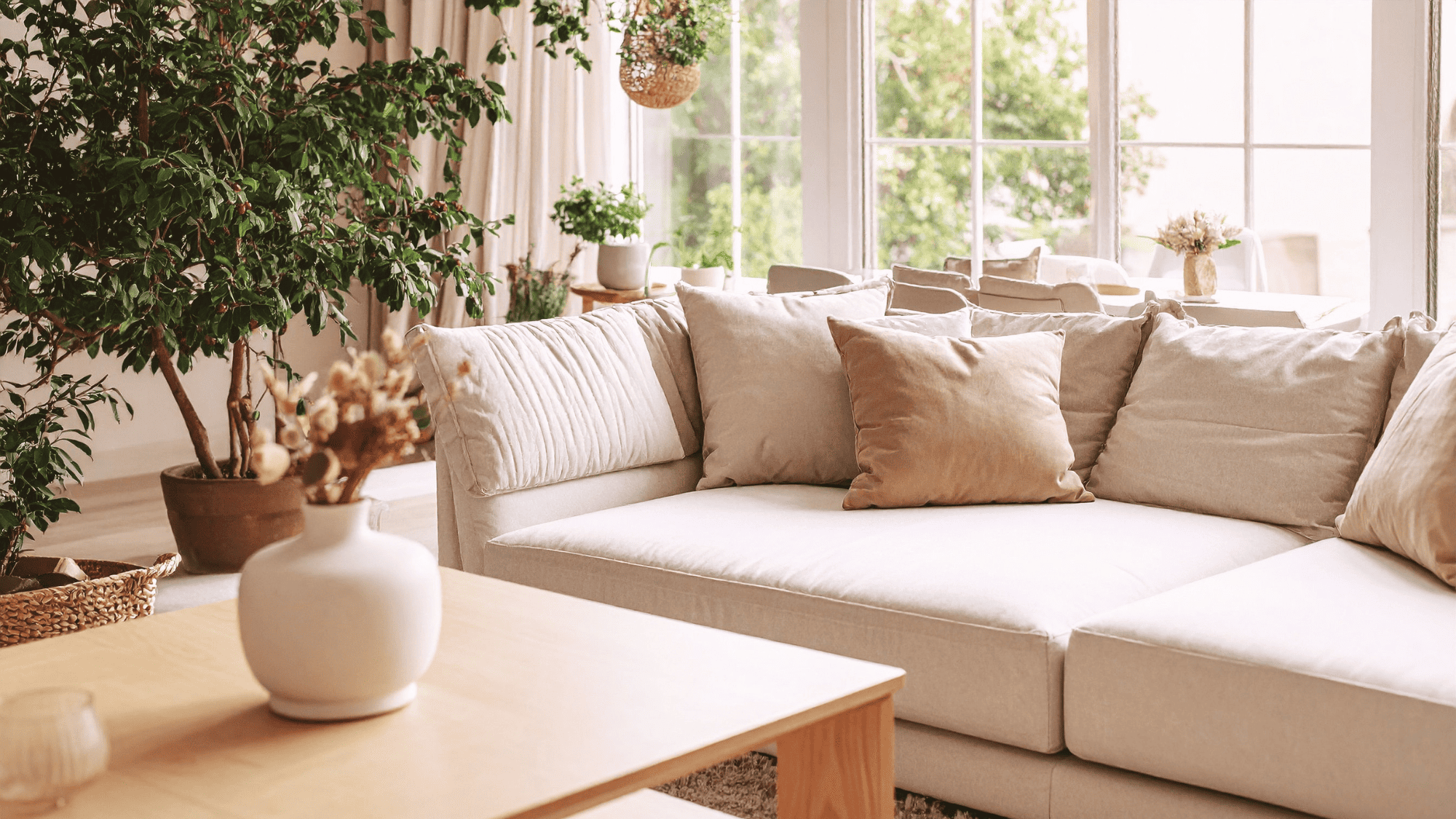
This is a quick guide to the best artificial plants for living room styling, focused on realistic, low maintenance options that look close to the real thing. Faux plants are a popular choice for British homes because they bring greenery, colour and style without water, sunlight or daily worry.
- Moreau Home is a curated blog for faux flowers, artificial flowers, artificial greenery and modern home inspiration; you can shop premium plants and trees when Moreau Botanicals launches in summer 2026.
- Our favourites include faux olive trees, fiddle leaf figs, snake plants, eucalyptus, artificial hanging plants, trailing ivy, ferns and compact tabletop plants.
- Varying heights and types can create a more organic and interesting look in your decor, especially when layered with existing decor.
- Artificial plants can enhance aesthetic appeal and create an inviting atmosphere year round, with minimum maintenance.
Why Artificial Plants Work So Well in Living Rooms
Artificial plants work especially well indoor in 2026 because many UK living rooms have variable light, busy routines and limited garden access. Faux flowers and plants provide a valuable link to nature for urban homes with little green space, improving mood and reducing stress.
Key benefits include:
- low maintenance, with no watering, feeding or pruning
- no shedding soil, pests or mouldy compost
- allergy-friendly styling, as faux plants do not produce pollen or airborne allergens
- a safe choice for allergy-sensitive individuals, children and pets
- evergreen colour and photo-ready life all year
Good artificial greenery now uses high quality materials such as real wood trunks or silk-polyester blends, plus veined leaves, natural colours and matte finishes. Artificial plants do not require water, sunlight or fertilisers, reducing natural resource use and greenhouse gas emissions associated with plant care; they are generally considered more environmentally friendly than repeatedly replacing fresh flowers or struggling live plants.
Best Artificial Plants for Living Rooms: Our Shortlist
So, what are the best artificial plants for living rooms? Choose realistic faux pieces that suit your room size, taste and design scheme, from compact flats to larger family homes. These examples are suitable year round and can be mixed with artificial flowers, faux flowers or real greenery for a layered look. Bookmark your favourites now; Moreau Botanicals will offer a curated range and wide selection from summer 2026.

Faux Olive Trees – The Modern Classic
Faux olive trees are a chic choice for home decor, available in various heights from 3ft to 7ft, adding an earthy Mediterranean feel without dropping leaves. Use 5–7 ft trees in an empty corner, or 3–4 ft styles beside a media unit.
Look for a slim grey-brown trunk, muted green-grey leaves, a matte finish and subtle faux fruit if included. A stone, jute or terracotta pot will soften TV units and bookcases. They are among the best artificial plants if you want statement pieces with little ongoing care.
Artificial Fiddle Leaf Fig (Ficus Lyrata) – Sculptural Statement
Faux fig trees, known as Ficus Lyrata, are popular for their large, sculptural leaves, making them a dramatic addition to any room. The real version can be difficult to keep alive, so a realistic artificial option is perfect beside a reading chair, bay window, fireplace or large artwork.
The best artificial fiddle leaf figs have varied leaf sizes, slight imperfections, natural branching and a stable weighted base. Style one in a woven basket or white ceramic pot, then rotate it occasionally so the shape reads naturally.
Artificial Snake Plant (Sansevieria) – Slim and Architectural
Artificial Sansevieria, or Snake Plant, is ideal for small spaces due to its tall and slim profile, featuring striking sword-shaped leaves. Its upright green and yellow striping adds structure beside media units, hallway transitions or narrow corners.
It is hard to style badly and will suit almost any decor. For an instant console vignette, add one snake plant, one compact fern and one candle.
Faux Eucalyptus Trees and Potted Sprigs – Calm and Minimal
Eucalyptus is ideal for calm, Scandi or minimal rooms. Its cool grey-green colours, soft matte leaves and slightly drooping stems feel natural without becoming visually loud.
Use taller artificial eucalyptus trees to flank a sofa or window, or place potted sprigs in vases on shelves and coffee tables. Eucalyptus pairs beautifully with pale woods, black metal accents and white faux roses or hydrangeas.
Artificial Trailing Ivy and Hoya – For Shelves and High Spots
Artificial trailing ivy can create a romantic atmosphere and is versatile for use in pots or containers, adding greenery to various spaces. Faux hoya linearis gives a more contemporary jungle sense.
Drape them from a bookcase, high wall shelf or hanger near a window. Pay attention to varied leaf sizes, subtle colour shifts and wired stems that shape easily. One or two trailing pieces are enough in a small room.
Faux Ferns and Compact Tabletop Plants – Finishing Touches
Faux ferns, small palms and mini potted plants finish coffee tables, side tables and TV units. Ferns bring soft, feathery texture, while certain species of plants, like tropical palms and trees with complex trunk structures, translate better into faux versions.
The artificial Zamioculcas (ZZ Plant) is a smaller faux house plant known for its dark green stems and glossy leaves, available in three different sizes. Choose ceramic or stone-effect pots over plastic to keep the look beautiful and realistic.
How to Choose the Right Artificial Plants for Your Living Room
Move from “I like them all” to “these suit my home” by measuring first. Tall trees work in high ceilings; medium floor plants suit terraces and new-builds; minis and trailing types suit compact flats or an office corner. Layering plants at different heights can help create a relaxing, plant-filled paradise, especially in larger spaces with high ceilings.
- Mix deep greens, blue-greens and soft grey-green tones.
- Vary leaf shapes so the space does not feel flat.
- Avoid too many identical plants in one room.
- For an average living room, try one tall floor plant, one medium plant and two or three small accents.

Making Artificial Plants Look Like the Real Thing
Styling separates premium faux from obviously artificial. Artificial plants are commonly shipped in small, weighted black plastic pots, and after unpacking an artificial plant, it may look bunched together; stretching out its stems and leaves can help it settle into its new home and resemble its intended appearance.
Gently bending the wired branches of an artificial plant can mimic the natural shape of real leaves. Re-pot into heavier ceramic, terracotta or woven baskets, then use genuine dried moss, real soil or river pebbles at the top of a planter to create a more realistic look. Place faux where real plants would thrive: near, but not baking in, a window.
Looking After Your Faux Plants (The Easy Version)
Care is simply dusting and refreshing, not watering. To maintain the appearance of artificial plants, dust them regularly as part of your normal cleaning routine, which helps keep them looking natural; use a microfibre cloth every 2–4 weeks and a deeper wipe every few months.
Artificial plants do not require sunlight or water, making them ideal for rooms with little natural light or for individuals who travel frequently. Keep them out of harsh direct sunlight, especially south-facing bays, rotate occasionally and store upright, loosely covered, away from damp and heat.

Moreau Home: Your Guide to Artificial Plants (and What’s Coming Next)
Moreau Home is a British editorial hub where you can explore the best artificial plants, artificial flowers, faux flowers, sustainable decor ideas and low maintenance styling. While we do not yet hold stock to buy today, Moreau Botanicals launches this summer with premium faux plants and flowers built for real British homes, from rentals to period properties. Join the newsletter for inspiration, early previews and launch details.
FAQ
How many artificial plants should I have in my living room?
There is no strict rule. For an average space, choose one tall floor plant, one medium plant and two or three smaller accents, then leave negative space so the room can breathe.
Can I mix artificial plants with real plants?
Yes. Mixing faux plants with real plants often makes artificial greenery more convincing. Keep real plants near brighter windows and use faux in darker corners where the real thing would struggle.
What should I look for when buying realistic faux plants online?
Check close-up photos of leaves, stems, trunks, colours and materials. Choose matte finishes, visible variation, clear sizes and brands that specialise in artificial plants rather than generic outdoor or garden decor.
How do I stop artificial plants looking dusty?
Set a reminder to dust them regularly and wipe leaves gently a few times a year. Changing the pot or moving a plant can also brighten the room and transform the arrangement.
Are artificial plants environmentally friendly?
Artificial plants use synthetic materials, but long-lasting pieces can reduce waste, water use and repeated transport. Choose quality, timeless styles you will keep for years.
