
Key Takeaways
- Minimalist homes benefit from carefully chosen indoor plants that add warmth and texture without visual clutter, think one statement piece per room rather than clusters of small pots.
- Moreau Home is a curated blog focused on flowers, faux botanicals, and timeless home styling. Premium faux botanicals will be available from Moreau Botanicals, launching summer 2026.
- This guide covers tried-and-true plants for minimalist interiors, including snake plants, ZZ plants, fiddle leaf figs, olive trees, and sculptural succulents, with both real and faux options explored.
- Subscribing to the Moreau Home newsletter gives you early access to the Moreau Botanicals launch plus an exclusive discount voucher on your first order.
- The article is structured as a practical buying-and-styling guide, with room-by-room placement ideas and simple care tips tailored to UK homes.
Introduction: Indoor Plants for a Calm, Minimalist Home
Minimalist interiors in 2026 favour clean lines, limited colour palettes, and a few considered houseplants instead of busy decoration. The post-pandemic emphasis on biophilic design has matured into something quieter: not a jungle, but an edited selection of greenery that softens hard architectural edges without overwhelming the space.
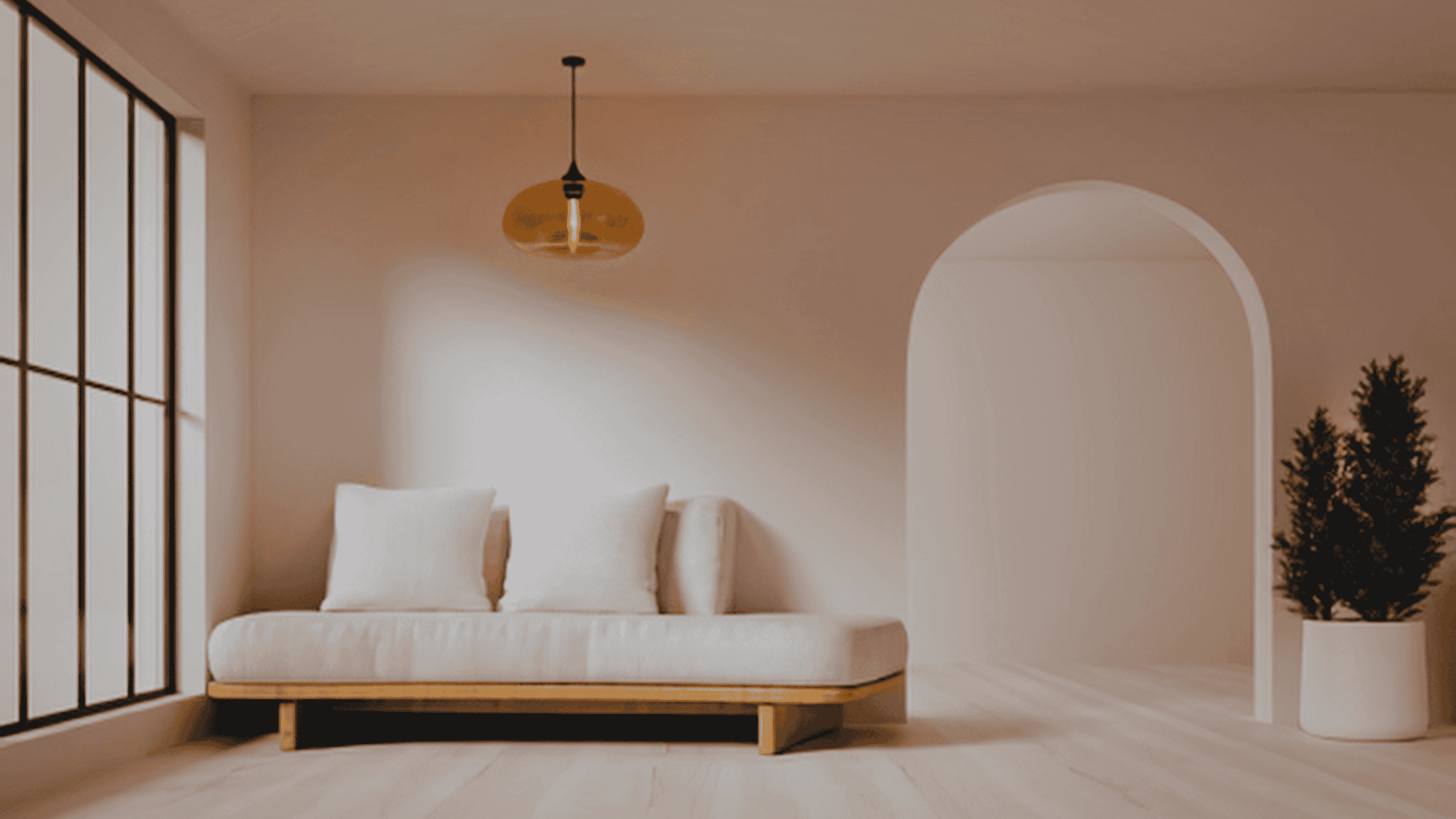
Indoor plants add subtle texture and gentle colour to pared-back rooms. A single sculptural plant beside a low-profile sofa or in an empty corner creates visual interest while preserving the calm that minimalist styling seeks. At Moreau Home, we believe the right houseplant, real or faux, can transform a room without demanding constant attention.
Moreau Botanicals, launching summer 2026, will offer premium faux plants designed specifically for minimalist styling. Newsletter subscribers receive an exclusive launch discount voucher. This article will help you choose the best minimalist-friendly plants, show you where to style them, and explain when faux botanicals are the smarter choice.
What Makes an Indoor Plant “Minimalist”?
Minimalist plants share common traits: simple silhouettes, restrained colour, and tidy growth habits that don’t visually overwhelm a room. They work as focal points rather than fillers, earning their place through sculptural presence.
Key criteria for minimalist indoor plants:
- Form: Upright, columnar, or gently arching shapes with architectural presence
- Colour: Mainly deep or soft greens, avoiding busy variegation
- Foliage: Clean, unfussy leaves rather than dense, cluttered growth
- Scale: One large statement plant looks calmer than multiple small pots
For real plants, practicality matters too. Look for slow-to-moderate growth rates, forgiving care requirements, and suitability for UK indoor light conditions, north-facing rooms and central-heated flats with humidity as low as 30%.
Faux minimalist plants from Moreau Botanicals are designed to hold their perfectly edited shape for years, ideal for those who cannot provide ideal light or time but still want that clean, green look.
Essential Minimalist Indoor Plants for Every Room
This is the core shopping list of specific plants that work beautifully in pared-back homes. Each subsection breaks down where and why they excel, balancing real-plant descriptions with faux alternatives for low light or busy lifestyles.
Snake Plant (Sansevieria): The Minimalist Classic
The snake plant remains a minimalist classic with its upright, sword-like leaves forming strong vertical planes up to 1.2 metres tall. Its architectural form suits Scandinavian, Japanese wabi-sabi, and contemporary schemes equally well.

Ideal placements:
- Beside a low-profile sofa
- Flanking a TV unit
- Near a bedroom door where floor space is tight
Care notes: Snake plants thrive in low to medium light (50-1000 lux), prefer to dry out between waterings, and tolerate central heating. They’re a genuinely low maintenance plant, growth is just 5-10cm annually indoors.
These air purifying plants release oxygen at night through CAM photosynthesis, making them particularly suited to bedrooms. A premium faux snake plant keeps sharp silhouettes and rich green tones without watering, perfect for dark north-facing corridors.
Styling tip: Pair with a simple cylinder pot in warm stone, matte black, or soft white to echo minimalist lines.
ZZ Plant (Zamioculcas zamiifolia): Glossy, Low-Effort Structure
The ZZ plant offers glossy, oval leaves on arched stems, a sleek yet softer look than strict verticals. Its rhizomatous roots store water for four to six weeks, making it exceptionally forgiving.

Recommended locations:
- Sideboards and console tables
- Narrow hallways
- Beside a reading chair in smaller flats
Care notes: Tolerates low light (100-500 lux), needs watering only every few weeks, and dislikes overwatering, the cause of 70% of failures. This is the low maintenance plant for people who travel or forget schedules.
Faux ZZ plants from Moreau Botanicals suit darker studies or rented homes where light is inconsistent. Keep the pot and surrounding décor simple, perhaps a single ceramic vase, to let the plant’s natural symmetry be the visual focus.
Fiddle Leaf Fig and Rubber Plant: Statement Trees for Clean Spaces
A single tall indoor plant often looks more minimalist than many small ones. The fiddle leaf fig (Ficus lyrata) and rubber plant (Ficus elastica) are classic statement choices for this approach.

The fiddle leaf fig features large, violin-shaped leaves (up to 30cm long) that suit high-ceilinged living rooms, bay windows, or open-plan dining spaces. However, real versions demand 1000-2000 lux and 50-60% humidity, challenging in many UK homes, where 80% of failures stem from inconsistent care.
The rubber plant is more forgiving, with thick, glossy burgundy-green foliage tolerating 500-1500 lux. It grows 30-60cm annually indoors and suits modern flats with bright but indirect light near sheer-curtained windows.
Real fiddle leaf figs can be fussy about drafts and watering, which is why many minimalist homes choose high-quality faux versions. Moreau Botanicals will offer tall faux statement trees with realistic trunks and varied leaf sizes, designed to look sculptural for corner placement beside armchairs or low media units.
Olive Tree and Eucalyptus: Airy, European Minimalism
Olive trees and eucalyptus bring lighter, airier alternatives to dense tropical foliage, aligned with Mediterranean and soft neutral interiors.

A potted indoor olive tree with slim grey-green leaves on gnarled trunks adds texture without heaviness, ideal for a sunlit kitchen, dining nook, or conservatory. However, real olive trees need 2000+ lux and cool 10-20°C nights. In UK shade, leaves yellow after three to six months without grow lights; 70% fail indoors without supplements.
Eucalyptus offers silvery, aromatic foliage, but real stems wilt indoors without adequate light. Faux eucalyptus stems in a simple jug make a practical alternative for dining tables, retaining that fresh, airy quality year round.
Faux olive and eucalyptus floor plants from Moreau Botanicals achieve that European look in north-facing or shaded rooms. Pair them with pale limewashed walls, linen textiles, and simple oak furniture for a cohesive, light-filled scheme.
Sculptural Succulents and Cacti: Tiny Minimalist Accents
While minimalist homes usually avoid cluttered surfaces, a few well-placed succulents or cacti can act as small sculptural accents on shelves or desks.

Examples with clean forms:
- Aloe vera (rosette of fleshy spikes)
- Haworthia (compact zebra-striped rosettes under 15cm)
- Small columnar cacti
Care requirements: Bright, indirect light (ideally south- or west-facing windowsills), very sparse water every 3-4 weeks, and gritty, free-draining soil (50% perlite). Without adequate sun, 60% rot or stretch.
Faux succulent sets from Moreau Botanicals suit bathrooms, windowless studies, and rental flats where real specimens would struggle. Keep groupings minimal, two or three in identical pots, evenly spaced—to maintain a sense of order.
Room-by-Room Minimalist Plant Styling Ideas
This section turns plant choices into tangible layouts for specific rooms, suitable for UK flats and houses with varying light and space constraints. Each focuses on no more than three plant ideas to keep guidance simple and consistent with minimalist principles.
Living Room: One Statement, One Accent
Place a single tall statement plant, rubber plant, fiddle leaf fig, or faux olive tree, in the main living room corner, ideally to the side of a sofa rather than blocking a walkway.
Add one smaller accent plant (ZZ plant or tidy succulent bowl) on a coffee table or sideboard, ensuring negative space remains around it. Use neutral, matte pots and limit other décor on the same surface to one or two objects.
A faux statement tree from Moreau Botanicals is particularly useful for living rooms with variable light or busy households. Keep cable clutter hidden so greenery becomes the soft focal point.
Bedroom: Calming, Low-Profile Greenery
Choose low, calming plants like snake plants or a peace lily placed slightly away from the mattress, on a chest of drawers or beside a reading chair. One medium-height plant in a quiet corner maintains a restful, uncluttered feel.
Faux botanicals are ideal for UK bedrooms with blackout curtains or low morning light where real plants may stretch or fail. Pair with soft textiles in muted tones like stone, chalk, and gentle sage for a cohesive palette.
Leave space for wardrobe doors to open and avoid trailing foliage near paths where it might be knocked.
Kitchen and Dining: Subtle Green at Working Height
Place small to medium plants, herbs, trailing pothos, or a compact faux olive, on open shelves or breakfast bars, kept away from direct hob heat. One larger plant near a window or patio doors can visually link the indoor space to any outdoor garden or balcony.
Faux eucalyptus or rosemary stems in a simple jug on the dining table give a fresh look without dropping leaves. Keep worktops mostly clear so greenery reads as a deliberate design choice.
Use cohesive pot choices, all white stoneware or all soft grey, to unify scattered plants into one minimalist story.
Bathroom and Hallway: Tricky Light, Thoughtful Faux
Bathrooms and hallways in UK homes often have very low or fluctuating light, making them ideal candidates for artificial indoor plants. Choose silhouettes that visually make sense in humidity, ferns, pothos, monstera, even if faux.
Artificial hanging plants work well in shower-adjacent corners where ceiling height allows, while a slim floor plant suits hallways where depth is limited. A single tall faux plant at a hallway’s end creates a focal point and draws the eye through the space.
Mix one real plant in a brighter bathroom window with faux pieces in shadier alcoves for a consistent yet low-maintenance effect.
Real vs Faux Indoor Plants in a Minimalist Home
Many minimalist homeowners love living plants but are also drawn to the predictability of high-quality faux botanicals. This comparison examines both through a minimalist lens: aesthetics, maintenance, and day-to-day visual calm.
When Real Plants Work Best
Real plants offer gentle seasonal changes, subtle scent, and the small rituals of watering and pruning that some find grounding. They’re especially rewarding in bright, stable rooms, south-facing living areas or kitchens where species like rubber plants and herbs genuinely thrive.
Still, avoid over-collecting. Better to have a few thriving plants than many struggling ones creating visual and emotional clutter. Consider pet safety too: research each plant’s toxicity before placing it where pets or small children can reach. Dracaena fragrans, for example, requires caution around cats.
If you love gardening and “tending,” lean towards real plants in favourite rooms, using faux accents elsewhere.
Why Premium Faux Botanicals Suit Minimalist Lifestyles
Lifelike artificial plants keep their shape, colour, and proportion exactly as intended, supporting minimalist order and predictability. They’re ideal for north-facing rooms, rented flats where you cannot change blinds or radiators, and travel-heavy lifestyles where consistent watering is unrealistic.
Moreau Botanicals (launching summer 2026) focuses on botanically nuanced foliage, naturalistic stems, and understated colour palettes, avoiding the shiny, plastic look of cheaper artificial plants. These require only occasional dusting, helping the home remain visually calm.
Quality faux options can be more sustainable over years than repeatedly buying real plants that fail in unsuitable conditions.
Creating a Balanced Mix in Your Home
A simple rule: use real plants where light and time allow (kitchens, brighter living rooms) and faux botanicals in lower-light or harder-to-reach indoor spaces.
Keep containers consistent across real and faux pieces so the eye reads them as one harmonious diverse collection. Track which real plants genuinely thrive over six months; gradually phase out underperformers for faux alternatives.
The ultimate minimalist test is how a room feels: spacious, calm, and intentional, not full of things demanding constant attention.
Simple Care Rituals That Preserve a Minimalist Look
Even low-maintenance plants benefit from occasional plant care to keep lines clean and surfaces dust-free. This isn’t an exhaustive manual, but a minimalist checklist for busy life.
Minimalist Care for Real Indoor Plants
Weekly routine:
- Check soil moisture with a fingertip; water if dry 5cm down
- Rotate pots a quarter turn for even light
- Remove yellowing leaves to maintain a clean outline
Use discreet saucers under pots to protect floors. Schedule a five-minute Sunday “plant check” rather than ad-hoc watering. Wipe broad leaves with a damp cloth every few weeks to prevent dust dulling their presence.
If a plant repeatedly looks unhappy despite effort, consider a species better suited to the space, or a faux version from Moreau Botanicals.
Looking After Faux Plants So They Stay Convincing
Premium faux botanicals need light-touch care: monthly dusting with a soft cloth or feather duster keeps leaves matte and natural-looking.
Occasionally rearrange stems and leaves to maintain an organic shape, avoiding perfectly symmetrical profiles. Keep faux plants out of prolonged direct sunlight to prevent long-term fading. Clean leaves with a lightly dampened cloth if grime builds up in kitchens or hallways.
With this minimal upkeep, Moreau Botanicals pieces should hold their form and colour for years, a genuine long-term investment in your home’s air quality and visual calm.
About Moreau Home, Moreau Botanicals, and Your Launch Discount
Moreau Home is a curated editorial space for modern flowers, minimalist décor, and sustainable styling ideas, written for design-conscious homeowners and renters across the UK and Europe.
Moreau Botanicals is our premium faux botanical line, launching summer 2026 with a tightly edited range of minimalist-friendly floor plants, tabletop greens, and faux stems. Expect faux olive trees, sculptural faux snake plants, and lifelike eucalyptus stems designed to mix seamlessly with existing décor.
Subscribe to the Moreau Home newsletter to receive an exclusive launch discount voucher for your first purchase. You’ll also gain early access to new collections, room-by-room styling guides, and seasonal lookbooks focused on calm, enduring interiors, not fleeting trends.
FAQ
These questions cover practical details not fully addressed above, focusing on sizing, budgeting, and long-term decisions for minimalist homes.
How many indoor plants should a minimalist home have?
There’s no strict number, but a useful guideline is one statement plant plus one smaller accent per room, perhaps three to five total pieces in an open-plan living space. Quality matters more than quantity. Choose larger, sculptural plants that clearly earn their place. Step back and assess: if the eye jumps from plant to plant, it may be time to edit down.
What pot styles work best with minimalist indoor plants?
Simple, unpatterned pots in matte ceramic, concrete, or smooth fibreclay work best. Stick to tones like white, stone, charcoal, or soft earth colours. Using the same pot style across several plants creates visual unity. Avoid shiny plastics, bright patterns, and fussy stands, they distract from clean lines.
Are faux indoor plants acceptable in a design-conscious minimalist space?
Absolutely. Well-made faux plants can be the better design choice in low light, high-traffic, or busy homes. The key is quality: realistic foliage, natural-looking stems, and restrained colours. Many interior designers now routinely mix real and faux, especially in European apartments and new-builds with challenging light. Moreau Botanicals is designed with exactly this standard in mind.
How do I choose plant sizes for small UK flats?
Opt for one tall, slim plant (rubber plant or faux olive) rather than multiple medium ones. Vertical lines take less floor space and feel calmer. Use wall height: hang a trailing plant or place a compact one on a wall-mounted shelf to keep floors clear. Measure available spaces and leave at least 30-40cm of breathing room around larger pots.
Is it more sustainable to buy real or faux indoor plants?
It depends on longevity and suitability. Repeatedly buying real plants that die in unsuitable light can be more wasteful than investing in a durable faux botanical that stays in use for many years. Use real plants where they genuinely thrive; choose timeless faux pieces, like those from Moreau Botanicals, for trickier spots, avoiding trend-led items you might soon discard.
