
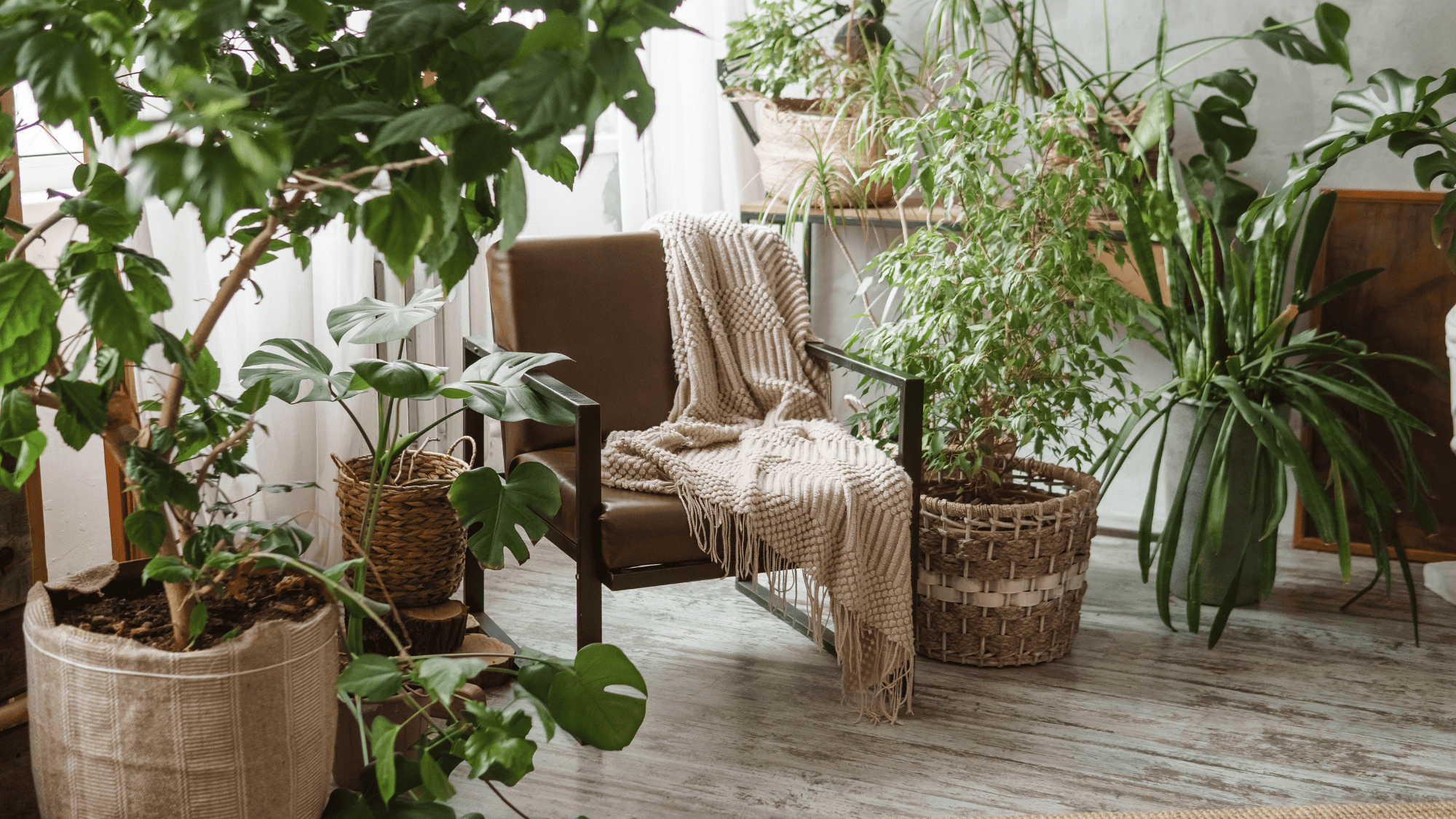
- Artificial indoor plants offer year round greenery and calm, with no watering, pruning, or special light requirements – ideal for busy modern homes.
- Moreau Home is the editorial home of Moreau Botanicals, launching summer 2026 with premium faux botanicals such as Japanese medlar plants, olive trees, and ficus for design-led interiors.
- High quality artificial plants now look convincingly real, especially when made with botanically informed shapes, varied leaf tones, and natural-looking trunks.
- Artificial plants are perfect for low-light rooms, rented homes, and allergy households, and can be moved or restyled effortlessly without worrying about plant health.
- This guide will help you discover how to choose, style, and care for artificial indoor plants to create timeless, quietly luxurious spaces.
Key Takeaways
There is something deeply appealing about greenery in a home. It softens corners, brings life to neutral palettes, and creates a sense of calm that few other decor elements can match. Yet for many of us, keeping real plants alive feels like an uphill battle – too little sunlight, too much travel, or simply not enough hours in the day.
This is where artificial indoor plants come into their own. Modern faux plants have evolved far beyond the shiny plastic stems of decades past. Today’s best pieces are designed with botanical accuracy, realistic texture, and the kind of quiet beauty that suits contemporary interiors. Whether you live in a compact city flat or a larger family home, they offer a way to enjoy nature indoors without the hassle.

What Are Artificial Indoor Plants?
Artificial indoor plants are lifelike botanical replicas designed specifically for interior spaces. They are crafted from advanced materials such as polyurethane (PU) for flexible, durable leaves, polyethylene (PE) for injection-moulded foliage with realistic veining, silk for delicate flowering elements, and preserved moss for authentic ground cover effects.
- Artificial is the broadest term, encompassing all non-living replicas regardless of material or construction method.
- Faux emphasises deceptive realism – these pieces are designed to pass for the real thing at a glance.
- Silk specifies fabric-based construction, most commonly used for flowering plants like orchids and hydrangeas.
- Preserved refers to real plant matter stabilised with glycerin, offering eternal freshness though with some sensitivity to humidity.
The contrast between early faux plants and today’s versions is striking. In the 1980s and 1990s, fake plants featured stiff, glossy plastic leaves with uniform green hues and simplistic moulds – the sort you might recall from motel lobbies or dated office reception areas. Contemporary designs incorporate layered textures, micro-perforated leaf surfaces for natural light diffusion, hand-painted colour variations from deep emerald to silvery undersides, and weighted bases that simulate soil density.
Consider a faux olive tree placed in a North London living room where natural light is limited. Its gnarled trunk shows subtle bark fissures, branches are wired for natural asymmetry, and leaves carry fine realistic details. At conversational distance, it is indistinguishable from a real Olea europaea – yet it will never wilt, yellow, or drop leaves on the floor.
Why Choose Artificial Indoor Plants Over Real Ones?
Many readers love the idea of greenery but struggle with time, irregular light, frequent travel, or health sensitivities. Artificial plants address each of these concerns directly.
Zero upkeep and low maintenance living. Real houseplants demand weekly watering, seasonal fertilising, and repotting every year or two. Faux plants eliminate these routines entirely. There is no need to find a plant sitter during holidays – a relief for the 40% of UK households who report travel disruptions affecting their plants.
Suitable for any environment. North-facing hallways, windowless bathrooms, and offices lit mainly by lamps receive far less light than most real plants require to thrive. A ficus lyrata, for instance, needs 1000-2000 lux for healthy photosynthesis, yet many indoor spaces offer under 500 lux. Artificial greenery looks fresh regardless, its UV-stable pigments resisting fade for years.
Cost-effectiveness over time. While a premium faux Japanese medlar or olive tree may cost more upfront, it will not die, drop leaves, or need replacing. Real specimens often succumb to pests or neglect within a year or two, creating an ongoing replacement cycle that adds up.
Health and allergy considerations. Artificial plants produce no pollen, spores, or soil mould. For the 20% of UK adults with allergies, and households managing asthma or respiratory sensitivities, this makes a meaningful difference. There is also no risk of toxic sap – a concern with certain real ficus and olive varieties in homes with pets.
A more sustainable approach. Real houseplants collectively use significant water and may require chemical fertilisers that can contaminate waterways. High quality faux plants, chosen for longevity rather than disposability, reduce this environmental footprint. The key is investing in pieces built to last a decade or more, not cheap imports with two-year lifespans.
Research in environmental psychology suggests that simply viewing green fractal patterns – whether in real or faux foliage – can lower cortisol levels by 15-20% and boost productivity by up to 12% in office settings. The benefits are remarkably consistent.
Types of Artificial Indoor Plants to Consider
Choosing the right plant type will define the mood of each room, from sculptural statement trees to subtle shelf greenery.
Tall statement trees anchor living rooms, dining areas, and entranceways with architectural presence. Faux olive trees (typically 1.8-2.1m) bring Mediterranean warmth with silvery leaf undersides and occasional fruit clusters. Japanese medlar plants offer exotic appeal through glossy lance-shaped leaves and orange berry accents. Fiddle leaf figs and ficus lyrata variants provide bold, violin-shaped foliage that suits contemporary schemes. These larger pieces work beautifully in spaces of 12-18 square metres or more.
Compact potted plants sit neatly on sideboards, bedside tables, and desks without overwhelming their surroundings. Artificial ferns bring feathery texture, peace lilies add sculptural spathe blooms, small rubber plants introduce colour variation, and monsteras deliver those signature fenestrated leaves at manageable scale – typically 30-60cm in height.
Trailing and hanging plants excel on high shelves, bathroom ledges, and kitchen rails. Faux ivy, string-of-pearls, and heartleaf philodendron feature flexible tendrils that cascade naturally, bringing vertical interest to otherwise unused space. These are particularly effective in rooms where floor space is limited but walls and ceilings offer opportunity.
Structured greenery such as faux topiary balls, bay trees, and box spirals suits more formal interiors or home offices. Their geometric precision provides a different kind of calm – ordered and architectural rather than wild and organic.
Finally, consider mixing foliage with artificial flowers to soften the overall look. Orchids with silk petals, muted hydrangea mopheads, and layered camellia blooms add colour and delicacy. Market trends show growing interest in hybrid displays that combine fresh green with gentle pink, purple, and yellow florals.
How to Style Artificial Indoor Plants in a Modern Home
Styling is where artificial plants move from pleasant to genuinely transformative in a living space. This is about creating green moments that feel intentional yet natural, aligning with a modern, quietly luxurious aesthetic.
Scale and proportion matter. Tall faux trees – a 180-210cm olive or ficus – anchor empty corners with presence. Medium plants at 90-150cm height balance consoles and sideboards, bridging the gap between furniture and ceiling. Small accents at 30-40cm work beautifully on bedside tables and coffee tables, adding life without competing for attention.
Containers shape perception. A planter in natural texture – matte stoneware, linen-wrapped terracotta, woven rattan, or aged brass – offsets the smoothness of faux foliage. Grey, cream, and terracotta tones tend to blend seamlessly with most interior palettes. The pot often makes more visual impact than the plant itself.
Group with intention. Styling plants in odd numbers (three or five) creates visual interest. Mixing heights and combining different leaf shapes – broad ficus leaves, feathery fern fronds, upright medlar stems – fosters an organic, less staged appearance. Avoid perfect symmetry, which can feel like a showroom rather than a home.
Placement tricks that work:
- Position artificial plants to soften technology – a trailing plant beside speakers or a fern near a television
- Frame focal points with pairs, such as two matching olive trees either side of a fireplace
- Use greenery to guide the eye through open-plan spaces, creating natural zones for dining, living, and working
Blend faux with real where possible. Pairing a large artificial olive tree with a cluster of hardy real succulents introduces subtle movement and authenticity. The succulents bring tiny variations in colour and texture that make the whole display feel alive.

Living room vignette: A 2m faux olive tree in a textured ceramic pot flanks a linen sofa in a south London flat. Its weighted base keeps it stable, while gently shaped branches break up the room’s clean lines.
Bedroom vignette: A compact faux Japanese medlar sits on a low shelf, paired with a stack of books and a simple ceramic dish. The green creates a restful corner without demanding any maintenance.
Bathroom vignette: Trailing faux ivy cascades from a high shelf above a freestanding bath, thriving in the low light where real plants would struggle.
Office vignette: A medium ficus stands near a desk, its broad leaves offering a calming focal point during long working hours – studies suggest a 15% productivity boost in such biophilic environments.
Choosing Quality: What Makes a Realistic Artificial Plant?
Not all faux plants are created equal, and the difference between a convincing piece and an obvious imitation often comes down to details.
Material quality. Premium artificial plants use flexible PU or PE leaves that bend without cracking, featuring matte finishes that resist fingerprints. Trunks should show realistic bark texture – subtle knots, fissures, and colour variation – rather than hollow, uniform plastic. Bases benefit from weighted resin ‘soil’ that prevents toppling and adds to the realistic appearance.
Colour and variation. Natural greens rarely appear in single, uniform tones. The best lifelike artificial plants feature 5-7 colour gradients per leaf, irregular edges, and occasional imperfections that mimic real growth patterns. An olive tree’s leaves, for instance, should show grey-green tones on top with silvery undersides.
Scale and proportion. Branches that are too evenly spaced or leaves that are uniformly sized read as artificial immediately. Quality pieces replicate real plant ontogeny – a mature ficus might have 200-300 leaves with natural variation in size and spacing, branches spanning 1-1.5m with believable asymmetry.
Touch and movement. High quality artificial plants use soft-touch or ‘real feel’ coatings. Wired stems that can be gently shaped without snapping allow you to create natural forms. Avoid anything that feels brittle or produces a plasticky sound when handled.
Safety standards. For UK homes, look for fire-retardant materials meeting BS 5852 certification and non-toxic, phthalate-free construction suitable for households with children and pets.
The difference between mass-produced bargain pieces and curated, premium options becomes clear over time. A £30 ficus may look acceptable initially but often fades, warps, or looks dusty and unconvincing within a year. A thoughtfully designed piece at a higher price point can remain beautiful for a decade or more – a worthwhile investment for something that occupies pride of place in your home.
Caring for Artificial Indoor Plants
Artificial plants are low maintenance, not no maintenance. A little regular care keeps them looking crisp and convincing for years.
Basic cleaning. Dust your plants weekly or fortnightly with a soft microfibre cloth or feather duster. This prevents the build-up that makes faux foliage look dull and obviously artificial – dusty leaves are often the main giveaway.
Deeper cleaning. Every few months, wipe broad leaves with a slightly damp cloth and allow them to air dry. This removes any residue and restores natural sheen.
Intricate foliage. For detailed ferns, trailing vines, and textured bark, a small clean paintbrush or compressed air works well to dislodge dust from crevices without risking water damage.
Placement for longevity. Position plants away from direct, harsh sunlight where colours could fade over time. Keep them clear of radiators, open fires, and other heat sources that might cause materials to warp.
Occasional reshaping. After moving house, redecorating, or seasonal restyling, gently bend wired stems back into natural forms. A hairdryer on low heat can help reshape stubborn branches without damaging them.
Storage guidance. If you rotate plants seasonally, store them in breathable cotton bags or large covered crates. Keep them elevated off floors to prevent crushing and dust accumulation.
Artificial Indoor Plants and Sustainable Decorating
Sustainability matters to thoughtful homeowners, and artificial plants sit within a broader, considered approach to decor.
Well-made faux plants can reduce waste by avoiding the cycle of buying and discarding struggling real plants in unsuitable environments. UK gardening statistics suggest a 30-50% annual die-off rate for houseplants – many ending up in landfill along with their pots and soil. A premium artificial tree, chosen once and cared for properly, sidesteps this entirely.
There are environmental benefits to water-free greenery too. Real houseplants collectively use 500-1000 litres of water per five-plant household annually. In areas with hosepipe bans or where readers are trying to limit resource use, faux alternatives make practical sense.
The key is choosing fewer, better pieces. Investing in one or two premium artificial trees – such as a 2m olive or Japanese medlar – that remain in style for years beats accumulating multiple trend-led, low-quality items destined for the bin.
Consider pairing faux plants with sustainable accessories: reclaimed wood stools, vintage planters, and natural-fibre baskets help reduce reliance on virgin plastics while creating a cohesive, thoughtful collection.
Moreau Botanicals will share transparent material choices and care guidance at launch in summer 2026, helping customers keep each piece in use for the long term.
About Moreau Home & Moreau Botanicals
Moreau Home is the editorial companion to Moreau Botanicals, a new brand focused on premium botanicals for modern homes.
Moreau Botanicals will launch in summer 2026, specialising in design-led artificial indoor plants including Japanese medlar plants, olive trees, ficus, and complementary faux flowers. Each piece will be developed with botanical accuracy and quiet elegance in mind.
The brand’s focus is on timeless styling, gentle colour palettes in soft neutrals, and pieces chosen to work across seasons rather than chase short-lived trends. Whether you live in a compact city flat or a larger family home, the range is designed to suit real life.
The Moreau Home newsletter offers styling guides, room-by-room inspiration, and early access to new collections when they launch. Our blog content is editorial and educational first – helping readers make thoughtful, long-term choices about their indoor spaces.

FAQ
How do I stop artificial indoor plants from looking obviously fake?
Prioritise plants that resemble real species you already recognise – olives, ficus, rubber plants, and ferns read more naturally than generic, unidentifiable greenery. Invest in a quality planter and top the pot with decorative soil, gravel, or preserved moss to create depth. Gently shape branches to avoid a too-symmetrical silhouette – real plants grow with interesting imperfections.
Mixing a few real plants alongside faux trees can help the overall display feel more believable. Even a small collection of fresh succulents or herbs adds subtle movement. Regular dusting is crucial too; accumulated dust dulls leaves and is often the main giveaway.
Can artificial indoor plants fade or discolour over time?
High quality indoor faux plants are designed to retain their colour, but prolonged exposure to strong, direct sunlight can cause gradual fading over several years. Position them slightly away from south-facing windows or use sheer curtains to filter harsh light.
Rotating plants occasionally – every few months – helps keep colouring even on all sides. If placing a plant outdoors or in a bright conservatory, look specifically for UV-treated or UV-stable options designed for such environments.
Are artificial indoor plants safe for pets and children?
Most modern artificial plants are non-toxic, but it is always worth checking individual product descriptions for safety information. Place tall faux trees where they cannot easily be pulled over by toddlers or curious pets, and avoid very small loose decorative stones in homes with young children.
Unlike some real plants – such as lilies or certain ficus varieties – faux plants do not contain natural toxins. However, they should still not be chewed or ingested. Sturdy, weighted planters help prevent accidents in busy family rooms.
How many artificial plants should I use in one room?
A helpful guideline: one statement plant for every medium-sized room (around 12-18 square metres), plus one or two smaller accents. Adjust based on furniture layout and natural light.
Start with less rather than more – perhaps a single tall olive tree and one trailing plant – then add only if the space still feels sparse. Think in terms of green moments rather than quantity. A well-placed plant near a reading chair or at your door can have more impact than five scattered pieces competing for attention.
Can I mix artificial indoor plants with my existing real houseplants?
Blending real and faux plants is not only possible but often creates the most natural-looking displays. Use artificial plants where real ones struggle to thrive – dark corners, high shelves, or rooms with temperature fluctuations – and keep real plants near windows where they flourish.
Matching foliage types helps maintain cohesion. For example, a real monstera pairs naturally with a faux philodendron, as both belong to the same botanical family. Keep real plants accessible for watering while faux pieces can brighten higher or harder-to-reach spots.
