
Key Takeaways
- Specific flowers placed in living rooms, bedrooms, kitchens, and entryways carry distinct symbolic meanings that influence mood and emotional energy throughout your home. Roses represent love and warmth, lilies signify purity and remembrance, orchids convey elegance, sunflowers bring joy, and lavender promotes tranquility. Understanding the meaning of flowers in home spaces transforms random decor into intentional atmosphere-building.
- Colour communicates as powerfully as flower types in interior spaces. Red flowers signify passionate love and vitality, yellow flowers represent joy and friendship, white flowers evoke peace and new beginnings, and pink flowers convey tenderness and affection. These associations hold true whether you’re displaying fresh blooms, dried arrangements, or floral wall art.
- Traditions from the victorian era, feng shui practices, and European folklore continue shaping how modern homeowners use flower meanings. Victorian flower language once allowed people to send secret messages through bouquets, today, those same associations help us curate rooms that feel emotionally aligned with our intentions.
- Practical considerations matter alongside symbolism. Choosing pet-safe varieties, matching light conditions to plant needs, and rotating seasonal displays ensures your flowers remain beautiful long enough to carry their symbolic weight.
- This guide covers room-by-room placement ideas, cultural traditions behind common flower choices, and a quick FAQ addressing allergies, low-maintenance options, and mixing flower meanings in arrangements. For a deeper dive into artificial flowers we have a handy complete guide for you.
The Language of Flowers at Home

Just as the language of flowers helped Victorians send secret messages without speaking a word, modern homeowners use flower meanings to set the emotional tone of their living spaces. The practice of floriography, assigning specific meanings to different flowers, flourished during the 18th and 19th centuries when social etiquette discouraged direct emotional expression. Flowers became the solution: a nuanced, beautiful way to communicate feelings that words couldn’t easily capture.
In a home context, floral symbolism focuses on daily emotions rather than grand gestures. We’re talking about comfort, sweet love, protection, remembrance, joy, and renewal, the feelings that make a house feel like home. Consider what a single red rose on a bedside table communicates about romantic love, or how a pot of white peace lilies in your hallway creates an immediate sense of calm and purity. A bright vase of sunflowers in the kitchen radiates warmth and optimism, while rosemary on a windowsill carries centuries of meaning around remembrance and protection.
These meanings can shift slightly across different cultures, but colour associations and traditional Western symbolism provide a reliable baseline. Chrysanthemums represent longevity and loyal love in many traditions, lavender nearly universally suggests serenity, and roses remain a universal symbol of affection regardless of where you live. Rather than offering a generic chart of flower meanings, this article focuses specifically on how those meanings translate when blooms occupy real rooms in your home.
Core Flower Meanings in the Home
Certain flowers appear in homes again and again because their symbolism fits everyday life remarkably well. Understanding these core associations helps you select blooms that reinforce the atmosphere you want to create rather than leaving your decor choices to chance.
Roses remain the most recognised symbol of love, affection, and emotional warmth across different cultures and centuries. Red roses in shared spaces like living rooms broadcast deep love and passion, making them ideal for couples or family gathering areas. Pink roses and white roses suit bedrooms and quiet corners where you want to suggest gentleness, pure love, or intimate comfort. Yellow roses carry a different energy, they represent friendship, joy, and good wishes, perfect for guest rooms or home offices.
Lilies carry profound symbolic meaning in domestic spaces. Peace lilies in particular have become synonymous with purity, spiritual calm, and cleansing, partly because of their association with air-purifying qualities. White lilies work beautifully in living rooms, entryways, and home offices where you want to create a sense of clarity and fresh energy. They also carry associations with remembrance, making them meaningful additions to spaces where you display photos of loved ones or absent friends.
Orchids communicate sophistication, rare beauty, and resilience. Their delicate beauty and long-lasting blooms make them excellent choices for home offices, dining rooms, or minimalist interiors. An orchid on a desk symbolises refinement and focused ambition, while white orchids in a dining room suggest elegance and special occasions. Because orchids thrive with minimal care once established, they’re practical choices for homeowners who want lasting symbolic presence.
Sunflowers are impossible to separate from joy, optimism, and loyalty. Their bold yellow faces literally follow the sun, making them natural fits for kitchens, dining areas, and family rooms where warmth and welcome matter most. Harvard’s “Home Ecology of Flowers Study” found that decorating with flowers led participants to experience more compassion, less worry, and increased happiness, and sunflowers exemplify this mood-lifting power.
Lavender signals tranquility, rest, and mental clarity. Dried lavender or potted plants in bedrooms, bathrooms, or reading nooks suggest peaceful sleep and quiet reflection. The gentle fragrance reinforces the calming message, creating multi-sensory symbolism that few other plants can match.
Chrysanthemums represent longevity, friendship, and steady happiness across many cultures. Potted mums near entryways or on balconies symbolise wishes for a long life and stable well being for everyone in the household. Their autumn blooms also make them natural choices for seasonal transitions.
Jasmine and gardenia offer intensely fragrant options that carry meanings of romance, sensuality, and comfort. These gorgeous flowers suit intimate spaces like bedrooms, private patios, or reading corners where their scent enhances the atmosphere without overwhelming common areas.
Flower Meanings by Colour in Interior Spaces

In home decor, colour often communicates more immediately than the specific flower type. This becomes especially true with mixed bouquets, printed cushions, or floral wall art where individual species might blur together but the overall palette remains distinct.
Red flowers carry unmistakable associations with passionate love, courage, and vitality. A vase of red tulips or red carnations makes a bold statement in social or romantic spaces, living rooms, dining rooms, and master bedrooms. However, red’s intensity can overwhelm spaces meant strictly for calm. Use red as an accent rather than a dominant presence in rooms designed for rest and recovery.
Pink flowers suggest tenderness, affection, and nurturing energy. Pink carnations, pink roses, or pink peonies work beautifully in nurseries, guest rooms, or any space where you want visitors to feel welcomed with gentle warmth. The softness of pink creates an immediate impression of care and mother’s love without the intensity of red.
Yellow flowers radiate joy, friendship, and mental clarity. Yellow tulips, yellow roses, and a yellow carnation or two in arrangements bring literal sunshine into kitchens, home offices, and hallways. On dark winter days especially, yellow blooms counter seasonal gloom and provide visual motivation.
White flowers represent peace, simplicity, and new beginnings. White lilies, white orchids, or white roses create tranquil, almost spiritual atmospheres in bedrooms and bathrooms. They’re also perfect for spaces where you want a clean slate feeling, perhaps after a major life transition or during spring cleaning.
Purple flowers like purple hyacinths, irises, and certain orchid varieties suggest mystery, spirituality, and creativity. These hues work well in studios, reading corners, meditation spaces, or any area dedicated to introspection and creative work. Purple walks the line between calming and stimulating, making it versatile for different purposes.
Blue flowers including hydrangeas and delphiniums bring calm, trust, and emotional balance into living rooms and studies. Blue counters the stress of digital overload and creates visual rest, making blue arrangements particularly valuable in spaces where you decompress after work.
When selecting floral colours, consider your interior style. Scandinavian minimalism pairs well with white and pale blue arrangements. Rustic farmhouse aesthetics welcome sunflowers and wildflower mixes in yellows and oranges. Modern urban apartments often benefit from orchids in white or purple that echo clean lines and sophisticated taste.
Room-by-Room: Using Flower Meanings in Your Home
Understanding flower symbolism becomes truly useful when you apply it to specific spaces. Here’s how to translate those meanings into concrete decorating decisions for the main rooms in a typical home.
Living Room
Your living room hosts guests, family gatherings, and daily relaxation, making it ideal for flowers that symbolise togetherness, hospitality, and warmth. Sunflowers, gerbera daisies, and mixed roses create welcoming energy that encourages conversation and connection. A single large floral arrangement on a coffee table becomes a focal point that silently communicates good fortune and happiness to everyone who enters. Consider rotating between bright, joyful blooms in spring and summer, then transitioning to richer tones with chrysanthemums and dahlias in autumn.
Bedroom
Bedrooms deserve flowers emphasising rest, intimacy, and emotional safety. Lavender, white or blush roses, gardenias, and chamomile all support peaceful sleep and romantic connection. Keep arrangements smaller in bedrooms, a single bloom or modest bouquet on a nightstand carries meaning without overwhelming the space. Choose low-fragrance options if strong scents disrupt your sleep, but don’t skip symbolism entirely. Even a dried lavender bundle communicates intentional calm.
Kitchen and Dining Area
Kitchens and dining spaces benefit from symbols of nourishment, abundance, and joy. Herbs like rosemary (remembrance and protection), basil (love and prosperity), and thyme (courage) add both symbolic meaning and practical cooking value on windowsills. Cheerful cut flowers like daisies, tulips, and morning glory varieties complement the functional energy of food preparation. A small vase of sweet william or gerbera daisies on the dining table transforms everyday meals into moments worth savoring.
Home Office or Study
Productivity spaces call for flowers representing focus, creativity, and ambition. Orchids symbolise sophisticated determination, irises represent wisdom and hope, and yellow or orange blooms inject energy into mentally demanding work. Purple hyacinths and green plants support concentration while also signalling personal growth and career success. Even a single orchid on a desk shifts the room’s symbolic energy toward achievement.
Entryway and Hallway
First impressions begin at your door. Chrysanthemums, peace lilies, and seasonal wreaths “set the tone” immediately, conveying protection, longevity, and sincere welcome. Many flowers that mean hospitality work well here, think about what you want guests to feel before they even reach your living room. A flowering plant near the entrance suggests this household wishes visitors good health and happy life.
Bathroom and Spa-Like Corners
Bathrooms benefit from symbols of purification, clarity, and renewal. White lilies, eucalyptus, and pale hydrangeas enhance home spa atmospheres while representing cleansing and fresh starts. Even without natural light for many flowering plants, cut flowers rotated weekly can maintain symbolic presence. Orchids tolerant of humidity also thrive in bathroom environments.
Seasonal timing tip: Embrace tulips and daffodils from March through April, transition to peonies and roses in late spring, feature sunflowers and dahlias through summer, celebrate with chrysanthemums in autumn, and finish the year with elegant whites and evergreen accents in December and January.
Cultural Traditions and Home Flower Symbolism

The meanings we assign to flowers at home don’t emerge from nowhere, they grow from centuries of cultural tradition, folklore, and religious practice. Understanding these roots enriches our appreciation for why certain flowers feel “right” in specific contexts.
Victorian Influences
The victorian flower language developed because polite society restricted open emotional expression. Small indoor bouquets called tussie-mussies allowed Victorians to convey romantic messages, friendship, or even rejection through carefully selected blooms. This tradition influenced floral motifs in furniture, tapestries, and paintings throughout the period. Some modern couples still honour this history by placing specific flowers on bedside tables or mantels as symbols of undying love and fidelity.
European and North American Customs
Many Western households display white lilies and white roses near framed photos of deceased relatives, honouring their memory with flowers symbolising purity and remembrance. Red poppies appear in British and Commonwealth homes each November as remembrance symbols tied to war memorial traditions, a meaning that emerged relatively recently compared to the ancient Rome associations of poppies with sleep and peace.
East Asian and Feng Shui Traditions
In feng shui practice, flower placement matters as much as flower choice. Peonies represent prosperity, romance, and a happy marriage, positioned in living rooms or “wealth corners” to attract abundance. Orchids symbolise harmonious relationships and refined success. Chrysanthemums carry meanings of long life and good fortune throughout East Asian cultures, making them meaningful gifts and home decorations year-round.
Mediterranean and Herbal Folklore
Rosemary by the door, a tradition throughout Mediterranean countries, promises protection and aids memory. Laurel or bay leaves near the kitchen symbolise victory and success, connecting the cook’s daily work to ancient traditions of triumph. These other plants and herbs blend practical use with symbolic resonance.
A modern household might blend traditions throughout the year: red poppies around Armistice Day, chrysanthemums during autumn celebrations, peonies for lunar new year, and rosemary maintained year-round by the entrance. This cultural layering creates rich, personal symbolism unique to each home.
Practical Tips: Styling, Care, and Safety at Home
Symbolic flowers lose their power if they wilt quickly, trigger allergies, or endanger your pets. Making practical choices alongside meaningful ones ensures your flower arrangements serve both beauty and well being.
Selection Advice
Choose hardy indoor varieties that maintain their symbolic presence without demanding constant attention:
| Flower Type | Maintenance Level | Best Rooms | Key Symbolism |
|---|---|---|---|
| Orchids | Low | Office, dining room | Elegance, resilience |
| Peace lilies | Low | Living room, hallway | Purity, calm |
| Gerbera daisies | Medium | Kitchen, family room | Joy, innocence |
| Potted herbs | Low-medium | Kitchen, windowsills | Protection, love |
| Chrysanthemums | Low | Entryway, patio | Longevity, happiness |
Care Guidance
For cut flowers in a bouquet or floral arrangement, extend their life with these basics:
- Change water every two to three days
- Trim stems at an angle weekly
- Keep arrangements away from direct heat and fruit bowls (fruit emits ethylene that ages flowers faster)
- Position in bright indirect light rather than harsh direct sun
Potted flowering plants require understanding their specific light and water needs, but most symbolic favourites like orchids and peace lilies tolerate lower light conditions than many people expect.
Allergy-Friendly Options
For households sensitive to strong scents, choose unscented or low-fragrance varieties:
- Many hydrangea varieties
- Gerbera daisies (among the best flowers for allergy sufferers)
- Tulips (most varieties)
- Orchids (typically minimal fragrance)
- Roses (some varieties have reduced scent)
Avoid strongly fragrant lilies, jasmine, and gardenia if scent sensitivity is a concern.
Pet and Child Safety

Some common flowers pose serious risks to pets. Lilies are extremely toxic to cats, even small amounts can cause kidney failure. Tulip and daffodil bulbs contain toxins harmful to dogs. Before giving flowers or bringing them home, verify safety for your specific household members.
Safer alternatives for homes with pets and children:
- Roses (remove thorns for child safety)
- Orchids
- Gerbera daisies
- Most culinary herbs
- Sunflowers
Seasonal Rotation
Refreshing your displays with seasonal blooms keeps both symbolism and aesthetic appeal aligned with the natural calendar:
- Spring: Tulips, daffodils, sweet William for new beginnings
- Summer: Sunflowers, lavender, dahlias for warmth and vitality
- Autumn: Chrysanthemums, marigolds for harvest and lasting bond
- Winter: White roses, amaryllis, evergreen accents for pure love and hope
When choosing flowers for any room, run through this quick checklist: What mood do I want? Which flower meanings match that mood? Does my space have adequate light? What maintenance can I realistically provide? Are these safe for everyone in my household?
FAQ: Meaning of Flowers in Home
How do I choose flowers for my home if I’m completely new to flower meanings?
Start small with just one or two rooms rather than trying to redesign your entire home at once. Identify the feeling you want each space to evoke, calm, energy, romance, focus, welcome, then select one or two flowers whose classic meanings match that mood. Lavender and white roses create calm, sunflowers and gerbera daisies generate cheer, red roses and jasmine suggest romance. Begin with the best flowers for beginners (peace lilies, potted herbs, hardy chrysanthemums) that require minimal care while you develop your symbolic vocabulary.
Can artificial or dried flowers still carry symbolic meaning in my home?
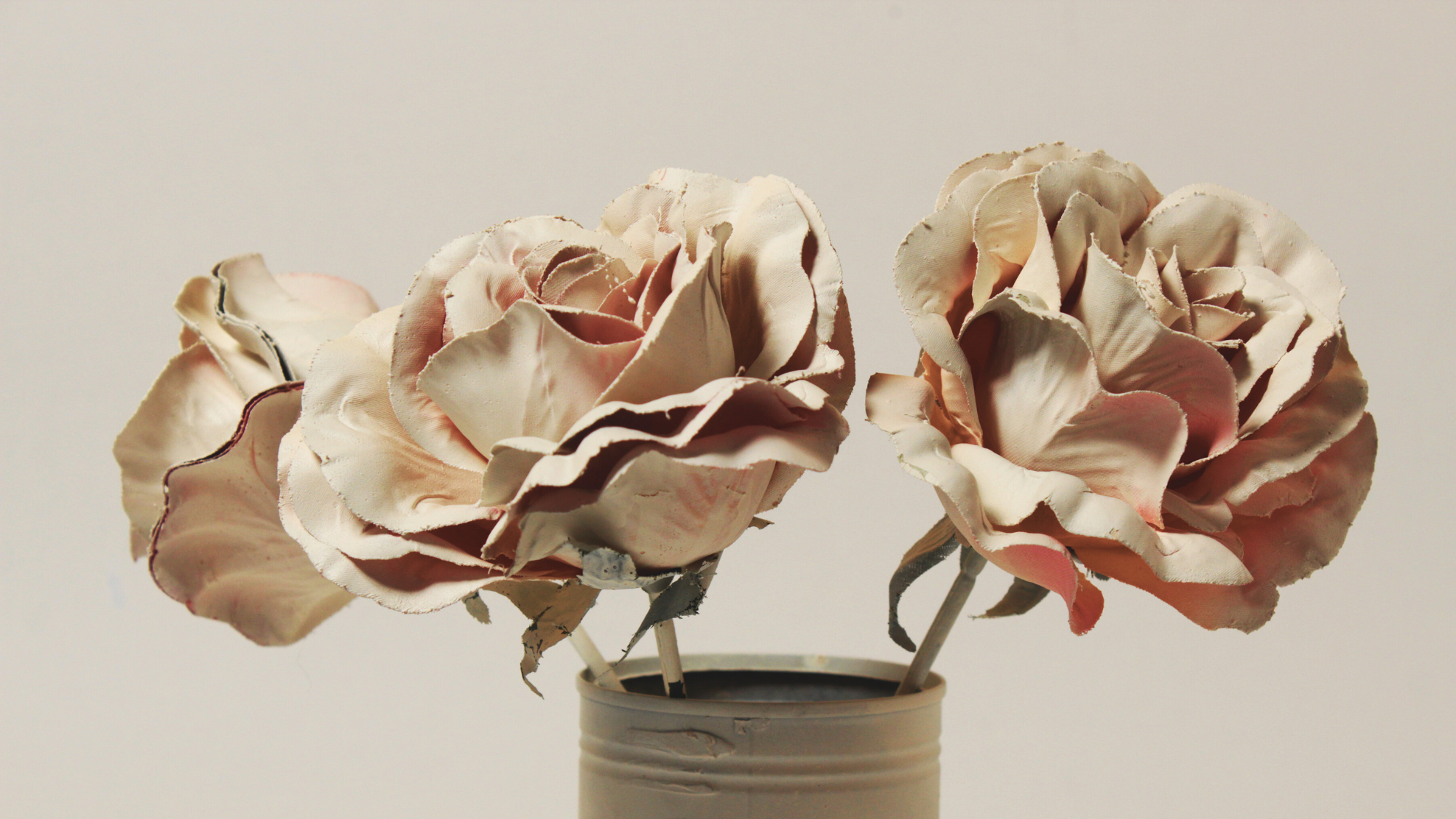
Absolutely. The special meaning of flowers comes from cultural association as much as from living plants. Dried lavender still represents tranquility, silk roses still evoke love, and high-quality faux orchids still communicate elegance. Dried and artificial arrangements work especially well in hard-to-maintain spots like dark hallways, windowless bathrooms, or rooms where you’re frequently away. Many people keep dried bouquets from wedding flowers or special occasions as meaningful keepsakes that carry memories alongside their original symbolism.
Which flowers are best if I have very low natural light at home?
Peace lilies rank among the most light-tolerant flowering plants and carry strong meanings of purity and calm. Some orchid varieties also tolerate lower light, though they may bloom less frequently. For consistently dark spaces, consider pothos or snake plants with occasional cut flowers rotated through, swap a fresh bouquet weekly to maintain symbolic presence even when permanent flowering plants can’t thrive. The meanings attributed to flowers don’t diminish when blooms are temporary, so long as you keep arrangements reasonably fresh and healthy-looking.
Is it okay to mix flowers with different meanings in the same arrangement?
Mixed meanings are standard practice in modern home decor. The key is choosing one main emotional theme, joy, serenity, romance, welcome, and ensuring most flowers in your arrangement support that theme. Use a few contrasting blooms as visual accents without letting them dominate. For example, a primarily white and green arrangement (peace, purity) might include one or two pink flowers (affection) without undermining the overall calming message. Trust your instincts about what feels harmonious.
How often should I update my home flowers to keep the energy feeling fresh?
A practical rhythm involves refreshing cut flowers weekly and reconsidering your main symbolic displays with each new season, roughly every three months. You might also update flower choices after major life changes: moving house, starting a new job, welcoming a new family member, or processing grief. Seasonal rotation keeps your home aligned with nature’s cycles while preventing symbolic “stagnation.” Even small changes, swapping a yellow arrangement for purple, or adding fresh spring tulips when winter ends, can shift a room’s energy noticeably.
